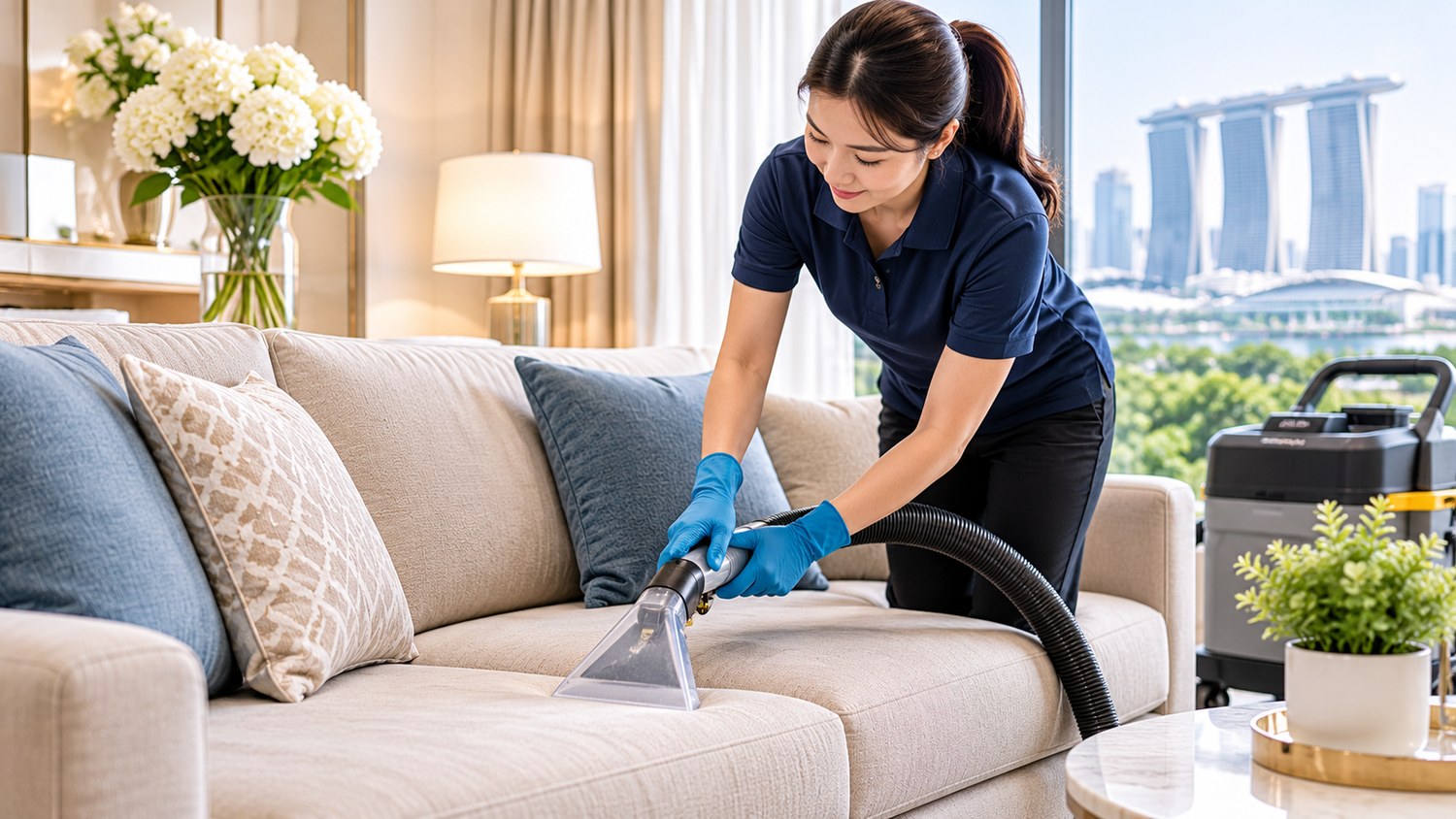
A sofa is where a home is lived in: morning coffee, evening films, children, guests and, often, a pet. It absorbs body oils, perspiration, crumbs, skincare and the odd spill every day, yet because the build-up is gradual, most of us notice it only when the fabric looks tired or the cushions smell stale.
Professional cleaning is the answer, but how often? This guide sets out a clear schedule, explains how it changes with your household, fabric and climate, and shows how to keep a sofa fresh between visits.
Why Sofas Need Professional Care
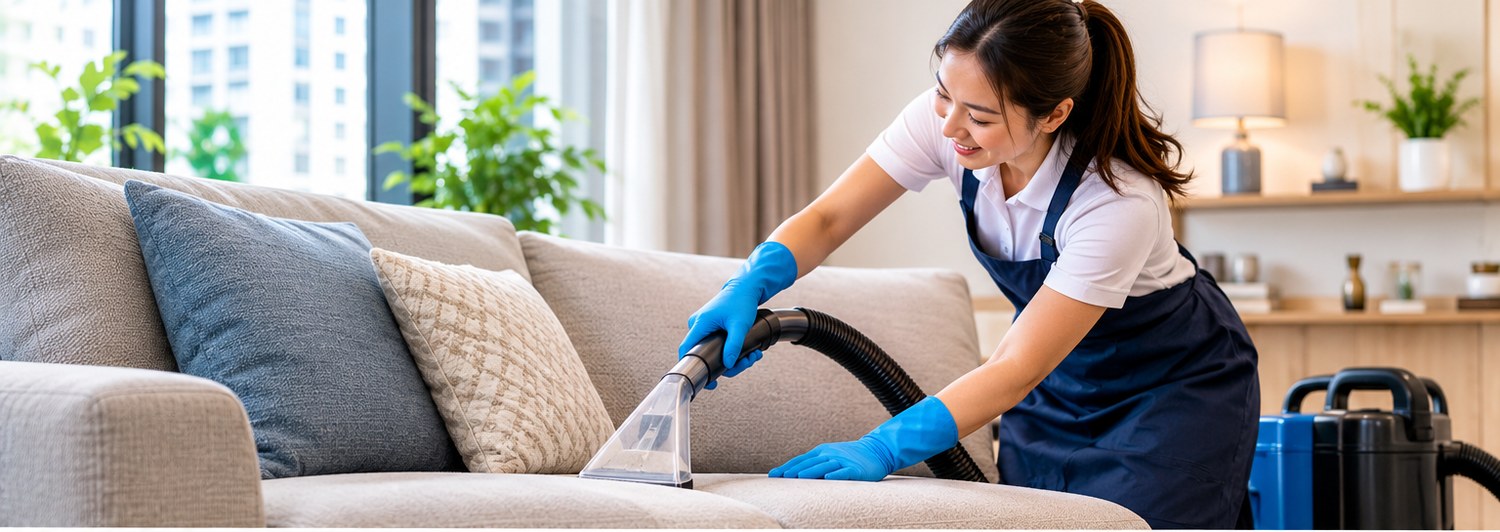
Professional extraction reaches the layers that surface cleaning cannot.
Vacuuming removes loose dust from the surface, but oils, perspiration and fine particles settle deep into the padding and weave. Over time they dull the colour, leave marks on the arms and headrest and give the sofa a stale smell that no cushion spray can mask.
Singapore adds warmth and humidity, which hold odours in fabric and encourage dust mites and mildew in a sofa that is rarely moved or aired. A professional clean uses controlled moisture and powerful extraction to lift out what sits below the surface, while respecting the limits of the fabric.
The Frequency Cheat Sheet
| Household | Professional clean | Why | Between visits |
|---|---|---|---|
| Formal or rarely used | Every 18 to 24 months | Little wear, but dust and humidity still build up | Vacuum monthly |
| Couple or small family | Every 12 to 18 months | Daily use and shared oils | Vacuum weekly |
| Children | Every 6 to 12 months | Spills, crumbs and sticky hands | Blot spills at once |
| Pets | Every 6 to 12 months | Hair, dander and odours | Vacuum twice weekly |
| Allergies or asthma | Every 6 months | Dust and dander collect in fabric | Vacuum often, wash covers |
| Leather | Every 6 to 12 months | Needs cleaning and conditioning | Dust and wipe monthly |
Cleaning by Household: What Changes the Schedule

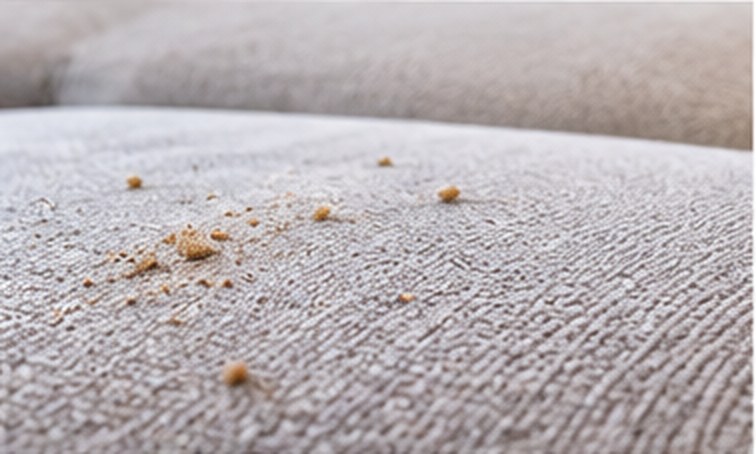
- Daily use. A family room sofa used every evening ages far faster than a formal sofa. Treat the heaviest-used seat and the arm and headrest areas as the first to show wear.
- Children and pets. Spills, sticky hands, hair and dander shorten the cycle to six to twelve months.
- Allergies. Dust and dander collect in upholstery, so cleaning more often can help, together with weekly vacuuming.
- Sunlight and humidity. A sofa by a sunny window fades and a sofa against a damp wall can develop odours, so both benefit from more attention.
- Eating on the sofa. Food, drink and cooking smells soak in quickly and are best treated early.
- Entertaining. If you host often, clean before the busy season, not after it.


Signs It Is Time, Whatever the Calendar Says
- A stale or musty smell, particularly when you sit down or move the cushions.
- Dull, greyish colour on the arms, seat edges or headrest, where hands and skin touch most.
- Visible stains or rings that do not blot away, or marks that come back after drying.
- A gritty or flat feel, from dust and oils that vacuuming no longer lifts.
- Itching, sneezing or irritation after sitting for a while, which can point to dust build-up.
- Dark spots or a damp smell, which may be mildew. Treat these promptly, as we explain in our guide to removing mould and preventing it from returning.
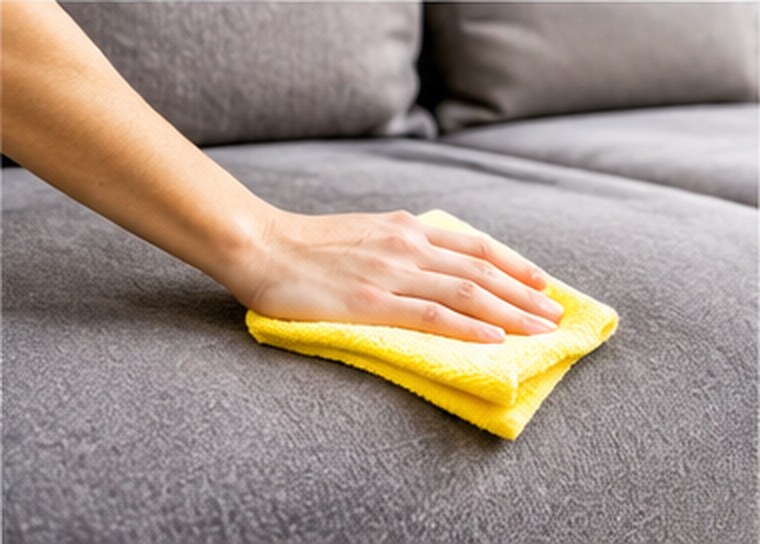
Between Professional Cleans: Simple Upkeep
- Vacuum weekly. Use the upholstery tool and go along seams, under cushions and around the arms, where crumbs and dust collect.
- Rotate and plump cushions. It spreads wear evenly and lets the fabric breathe. Flip them if the cushions allow.
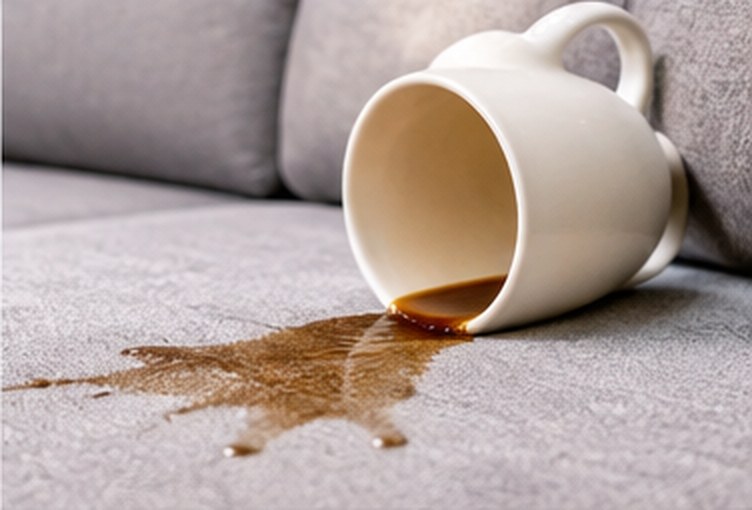
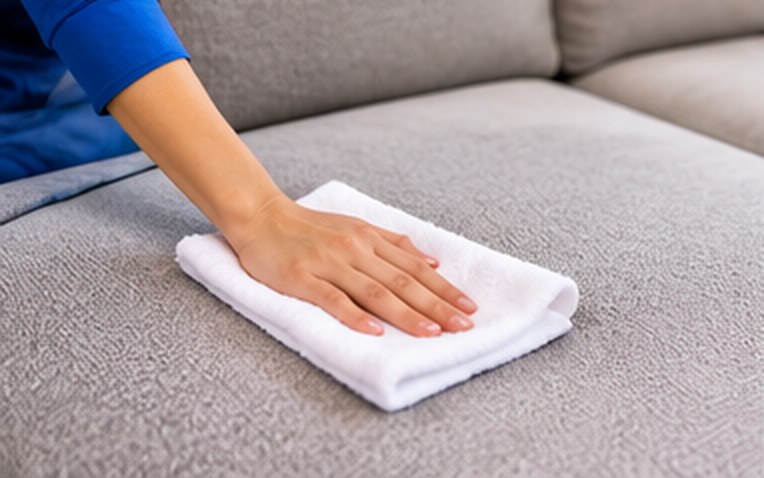
- Blot spills immediately. Use a clean white cloth and press, never rub, from the edge towards the centre.
- Read the care code. The tag under the cushions will say W, S, WS or X, which tells you whether water or solvent-based cleaners are safe.
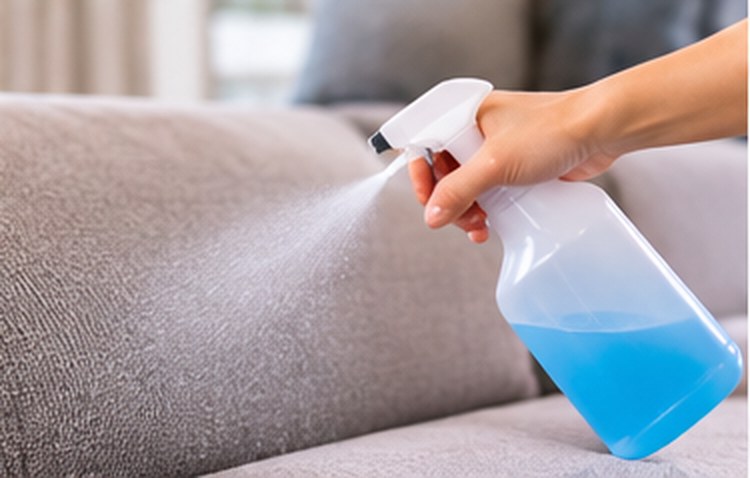
- Test products first. Try any cleaner on a hidden area, wait until dry and check for colour change or marks.
- Don’t over-wet. Too much moisture soaks the padding and risks water marks and mildew.
- Wash removable covers and throws. Follow their labels, and keep spare sets for rotation.
What Professional Sofa Cleaning Involves
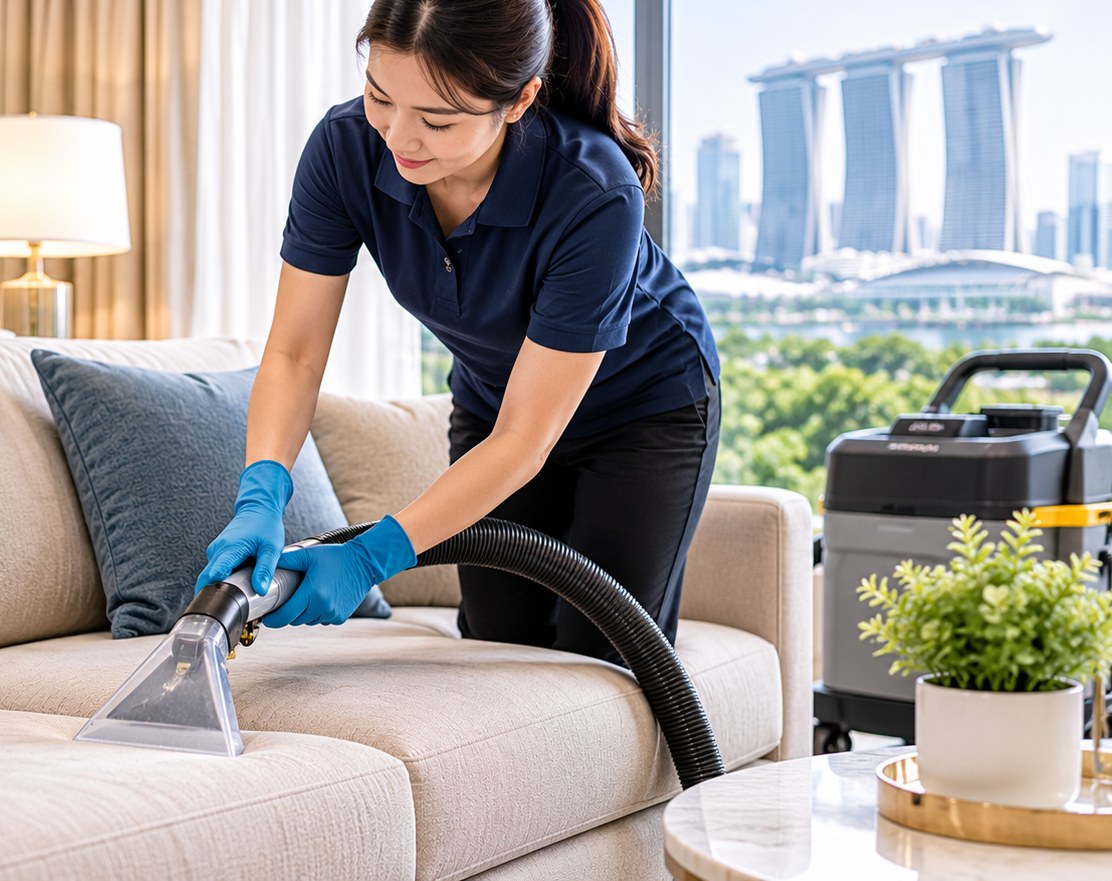
Careful inspection first, then the method that suits the fabric.
- Inspection. The cleaner checks the fabric, the care code, the condition and any stains or damage before choosing a method.
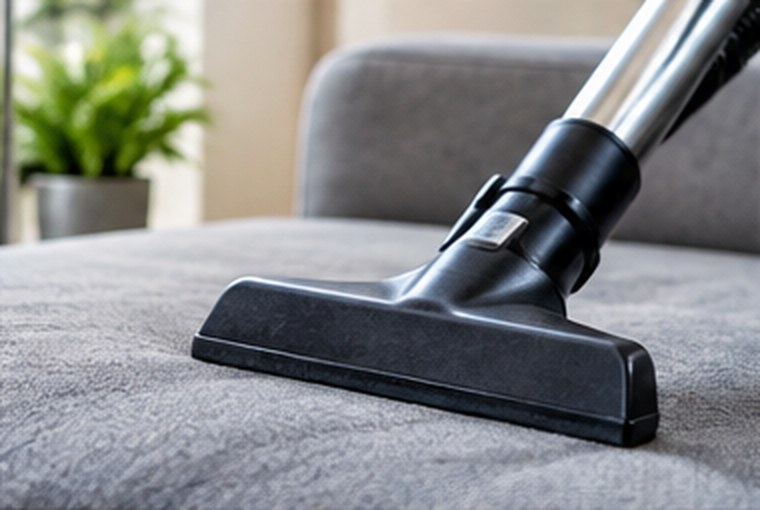
- Dry vacuuming. Loose soil is removed first, so it is not turned into mud when moisture is applied.
- Pre-treatment. Stains and high-contact areas are treated with a product suited to the fibre and tested on a hidden area.
- Extraction. For suitable fabrics, controlled moisture is applied and then extracted with strong suction, drawing the soil out with it.
- Finishing. The fabric is groomed, cushions are reset and the sofa is left to dry in a ventilated space.
The right method depends on the fabric. Some fabrics suit hot water extraction, others need low-moisture or dry-cleaning methods, and some are best left to a specialist.
Fabric by Fabric: Frequency and Limits
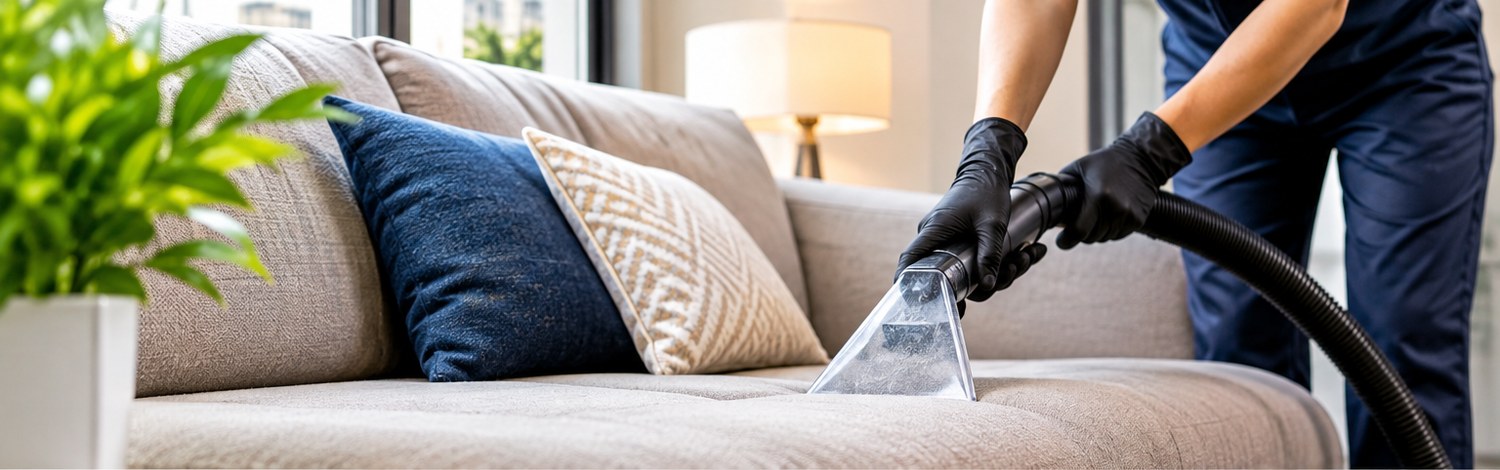
The fabric decides the method, which is why a quick inspection comes first.
Cotton & Linen Blends
Breathable and comfortable, but they absorb spills and body oils readily. Blot stains early and clean on schedule.
Every 12 monthsPolyester & Microfibre
Durable and stain-resistant, yet they trap odours and oils. Professional extraction refreshes them well.
Every 12 to 18 monthsPerformance Fabrics
Treated to resist spills, but finishes wear down. Follow the maker’s care guidance to protect them.
Every 12 to 24 monthsVelvet
The pile crushes and marks easily when wet. It needs a specialist who understands the fibre.
Professional onlyLinen & Natural Fibres
Beautiful but prone to shrinking and water marks. Check the code before using any water-based method.
Test first, then professionalLeather & Faux Leather
Needs a gentle clean and regular conditioning, never soaking. Faux leather can peel with harsh products.
Clean and condition 6 to 12 monthsSuede & Nubuck
Water stains and flattens the nap. Treat marks at once and leave cleaning to specialists.
Professional onlySilk, Wool & Antique Pieces
Delicate fibres and old frames cannot take heavy moisture. Heirloom upholstery deserves expert hands.
Professional onlyDrying and Aftercare
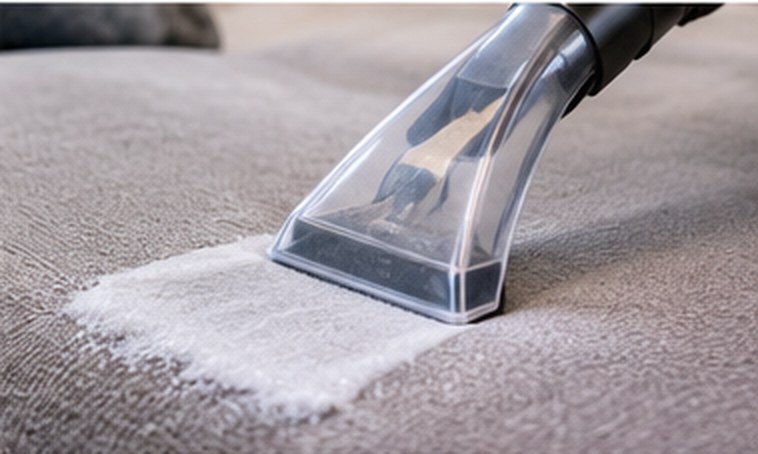
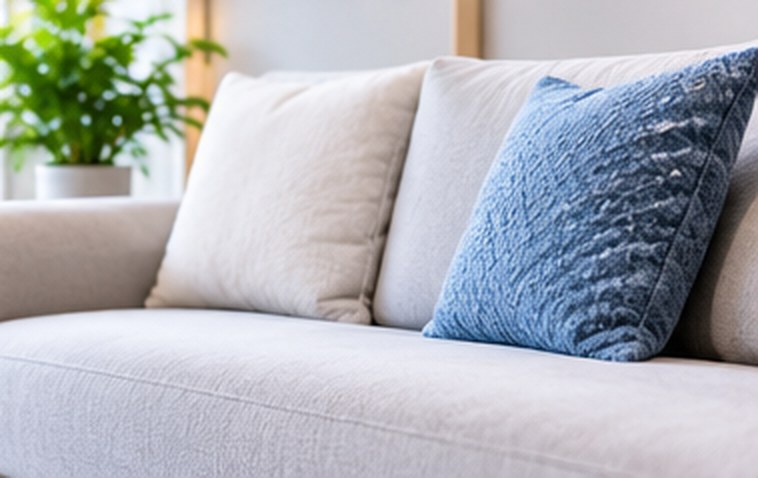
- Ventilate. Open windows, use fans or run the air-conditioner to help the sofa dry. In humid weather this matters more.
- Keep off the sofa until dry. Sitting on damp upholstery can leave marks and compress the padding.
- Don’t replace cushions early. Cushions put back damp can trap moisture and smell.
- Avoid direct sun and heat. Drying quickly in strong sunlight or near a heater can fade or stiffen some fabrics.
- Ask about protection. A fabric protector may help resist spills on some fabrics, so ask what suits yours.


Cushion covers, throws and removable slipcovers are best washed to their care labels. Our guides to how often to wash bedding and air drying versus tumble drying cover the same principles for soft furnishings.
Frequently Asked Questions
Is it worth professionally cleaning a sofa?
Yes, for most homes. A professional clean reaches the dust, oils and residue that vacuuming cannot, and it refreshes the fabric and extends the life of the sofa.
How long does a sofa take to dry after cleaning?
It depends on the fabric, the method and the room, but allow several hours, and sometimes longer in humid weather. Good ventilation, an air-conditioner or a fan helps it dry fully before use.
Can I clean my sofa myself between professional visits?
Yes. Vacuum regularly, blot spills quickly with a clean white cloth and use only cleaners the care label allows. Test any product on a hidden area first.
What do the S, W, WS and X cleaning codes mean?
They are common upholstery codes. W means water-based cleaners, S means solvent-based, WS allows either and X means vacuum only. Check the tag under the cushions before using any product.
Does a clean sofa help with allergies?
Regular cleaning removes dust, pet dander and other particles that collect in upholstery, which can reduce irritation for some people. It is one measure among several, so speak to your doctor if you have a medical concern.
How often should a leather sofa be cleaned?
Dust it regularly, wipe it with a suitable leather cleaner and condition it every 6 to 12 months, depending on the leather and how much sun the sofa sees.
Should I clean the sofa before or after a party or holiday?
Both are sensible, but if you are hosting, cleaning before is the more useful, and treating spills at once is the best protection on the day.
The Verdict
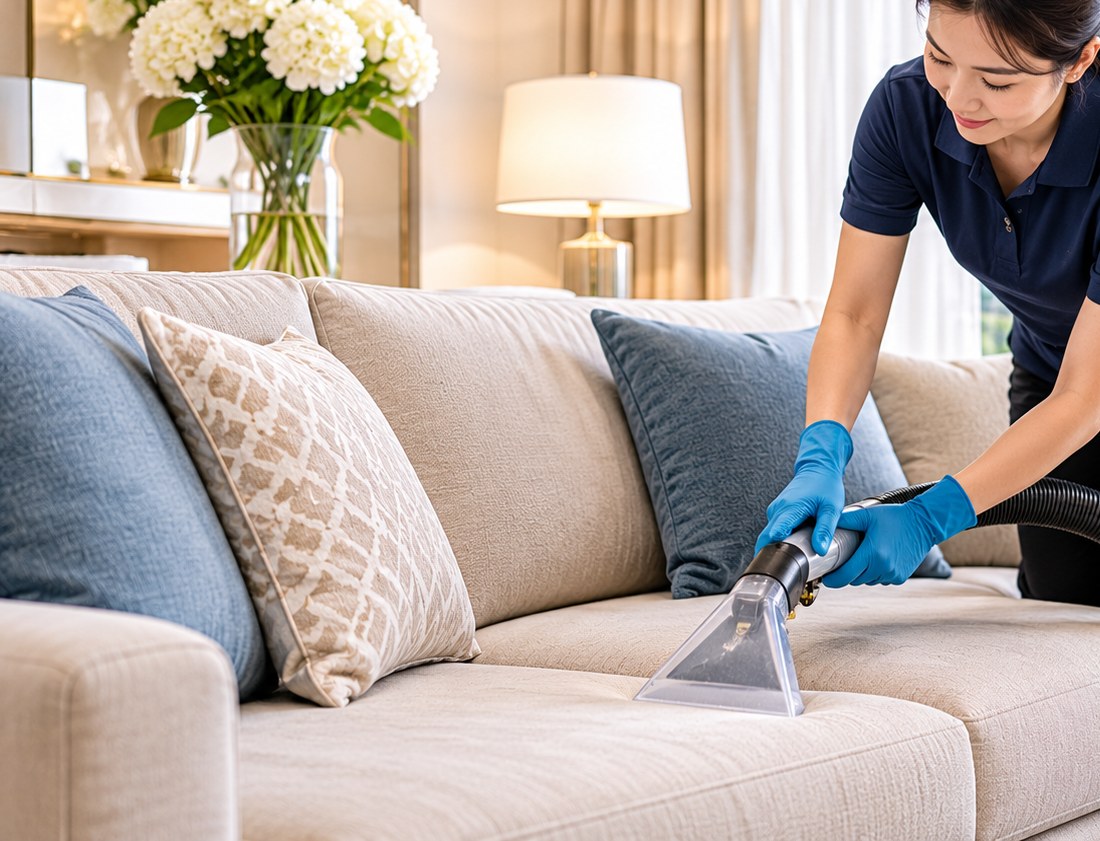
A well-kept sofa is a quiet luxury: fresh, calm and ready to be lived in.
For most homes, the answer is simple: professionally clean your sofa every 12 to 18 months, every 6 to 12 months with children, pets or allergies, and leather with conditioning every 6 to 12 months. Vacuum weekly, blot spills at once, rotate the cushions and dry the sofa fully after every clean.
For the removable covers, throws and soft furnishings around your sofa, Piing picks up, cleans and finishes every piece exactly the way its fabric demands, then delivers it back, ready to use. Pickup & delivery across Singapore
Let Piing! handle the laundry and dry cleaning. Book a pickup and get your clothes collected, cleaned and delivered across Singapore — no store visits, no hassle.
Book a Pickup →