
A beautifully made bed is one of the quiet luxuries of home. Crisp sheets, plump pillows and a soft throw look their best when they are fresh, and they feel best when they are clean. Yet most of us wash bedding on instinct rather than on a schedule, and in a warm, humid city the difference matters more than you might expect.
This guide sets out a simple rhythm for every layer of the bed: sheets, pillowcases, duvet covers, pillows, blankets and throws. It explains why frequency matters, when to wash more often, how to wash each fabric well and which pieces are better left to experts.
Why Frequency Matters in Singapore

Fresh bedding is felt as much as seen: a calm room starts with a clean bed.
Over a single night, a sleeping body releases perspiration and sheds skin cells, and skin oils, skincare, hair products and perfume rub off onto the linen. Left in place, these residues give dust mites and bacteria something to live on, and they gradually dull whites, yellow cotton and leave a stale smell that no amount of room spray can disguise.
Singapore adds warmth and humidity, both of which dust mites and mould enjoy. Even in an air-conditioned bedroom, bedding absorbs moisture, which is why weekly washing is a sensible baseline here rather than an extreme one.
The Frequency Cheat Sheet
| Item | How often | Wash with | Note |
|---|---|---|---|
| Fitted & flat sheets | Weekly | Warm to hot, as the label allows | Every few days in very hot weather |
| Pillowcases | Every 2 to 7 days | Same as sheets | More often for oily or blemish-prone skin |
| Duvet cover | Every 1 to 2 weeks | Same as sheets | Wash with the sheet set |
| Blankets & throws | Every 2 to 4 weeks | Gentle or per label | Monthly or less if decorative |
| Mattress protector | Every 1 to 2 months | Per label | Dry fully before refitting |
| Pillows | Every 3 to 6 months | Per label, or professional | Replace when they stay flat |
| Duvet or comforter | 2 to 4 times a year | Per label, or professional | Immediately after any stain or illness |
| Cushion covers | Every month | Gentle wash | Remove before sleeping |
Sheets and Duvet Covers: Weekly, Without Fail
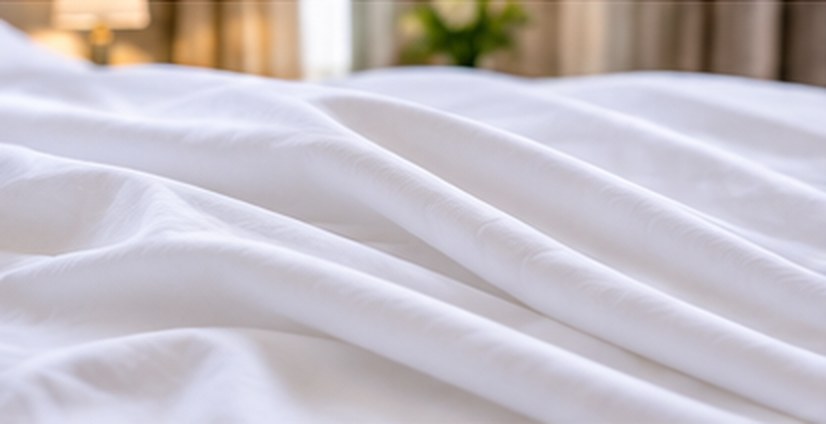
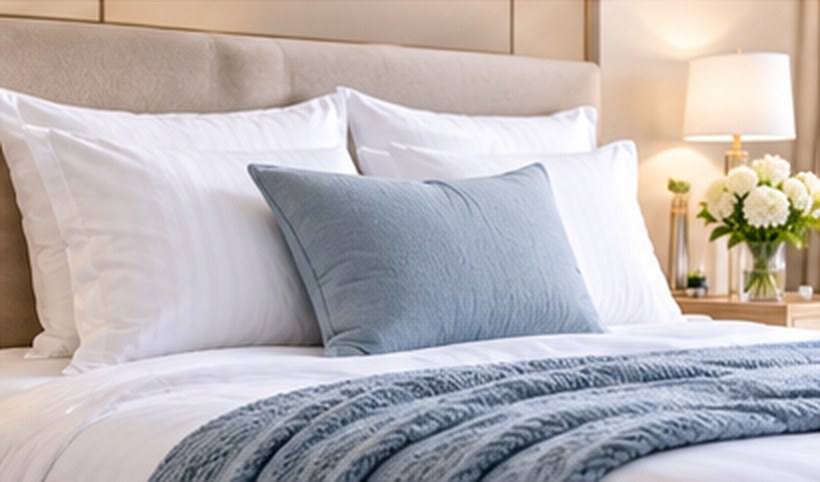
Sheets touch more of the body for longer than any other textile in the home. A weekly change keeps sweat, oils and mites in check and keeps whites clean and cotton soft. If you sleep without air-conditioning, are prone to night sweats or share a bed, wash more often. Fitted sheets, which take the most strain, should follow the same weekly rhythm.
Duvet covers can run slightly longer, every one to two weeks, but washing them together with the sheets simplifies things. A set that is washed and dried together ages evenly and stays matched in tone.
Pillowcases and Pillows: The Most Often Overlooked
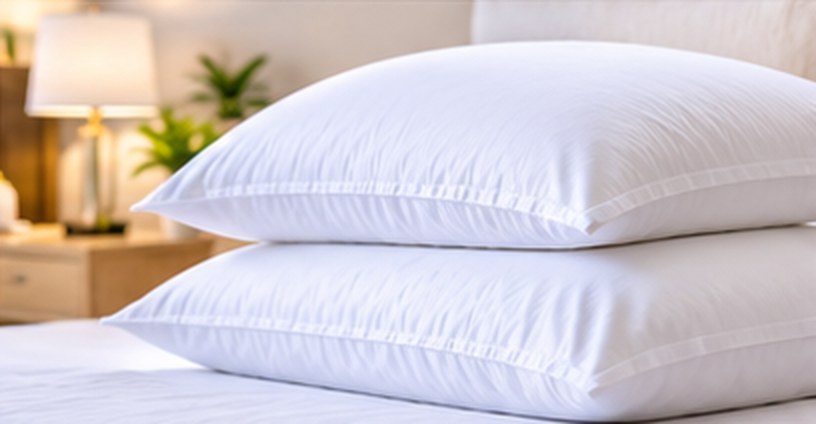
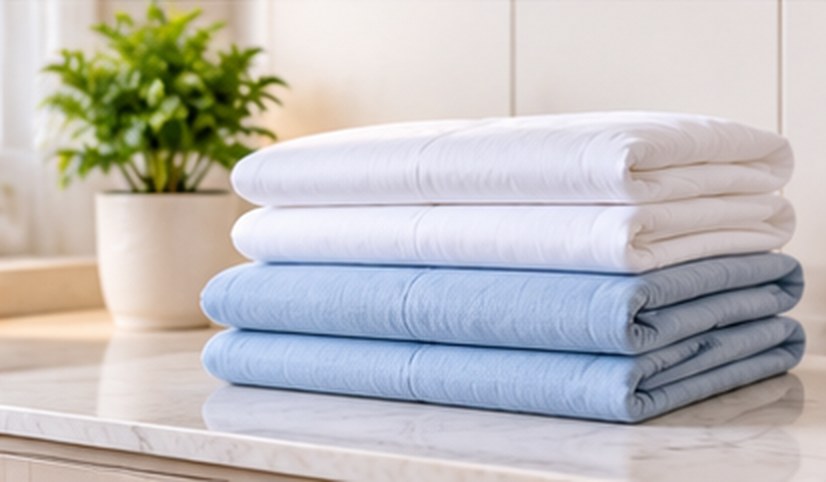
Pillowcases sit against your face and hair, so they gather oils, skincare and product faster than anything else on the bed. Weekly is the minimum. If you are prone to breakouts, use hair oils or overnight treatments, or have allergies, change them every two to three days. Keeping a spare stack makes this effortless.
Pillows themselves are easy to forget. Use a protector and wash the pillow every three to six months, following its label, since fills such as down, feather, memory foam and fibre differ greatly. Foam in particular should not go in a machine. A pillow that stays flat, lumpy or odorous after washing has simply reached the end of its life.
Blankets, Throws and Duvets: Less Often, But Not Never
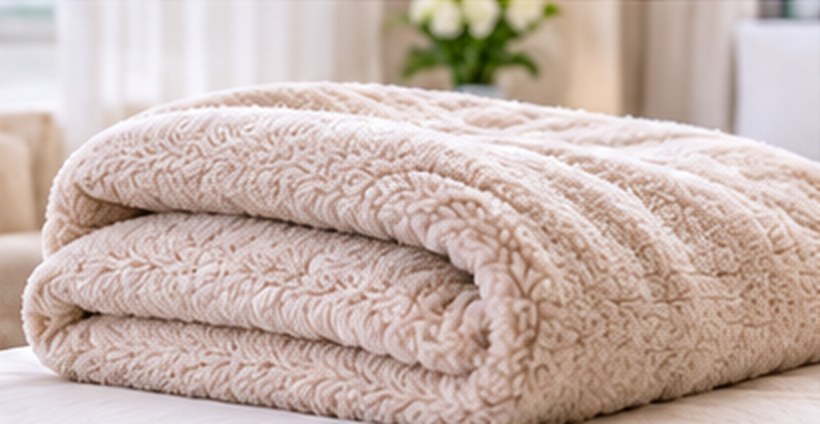
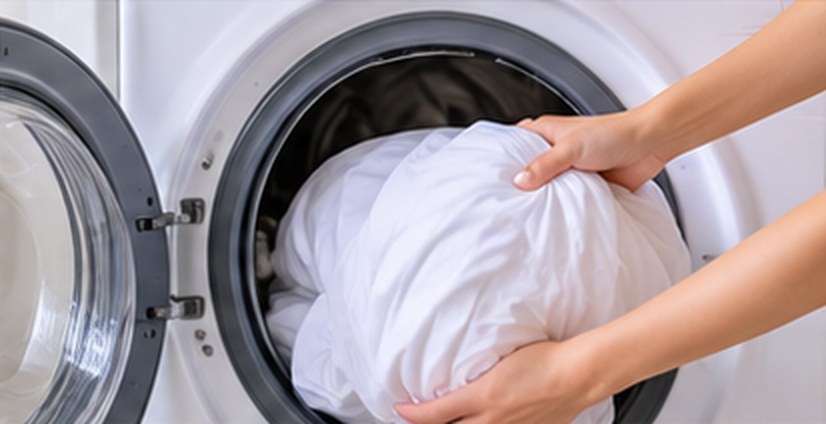
Blankets and throws that sit on top of the bed pick up less sweat than sheets, but they still collect dust, skin cells and pet hair. A blanket that is used nightly deserves a wash every two to four weeks. A decorative throw that mostly sits for show can wait a month or two, and a sofa throw sits somewhere in between.
Duvets and comforters, protected by a cover, usually need cleaning only a few times a year. Bulky pieces need a large drum so water and detergent can circulate, which is why many households have them cleaned professionally rather than risk a damp, clumped fill.
When to Wash More Often
- Illness or fever. Wash sheets, pillowcases and blankets as soon as you recover, and ideally more often during the illness.
- Allergies or asthma. More frequent washing reduces dust and allergens, and hot washes help where the label allows.
- Oily skin, breakouts or overnight treatments. Change pillowcases every two to three days.
- Pets on the bed. Hair, dander and dirt call for a weekly wash of everything they touch, plus regular blanket washes.
- No air-conditioning, hot nights or heavy sweating. Change sheets every few days if they feel damp.
- Children and guests. Little ones and visiting guests leave more behind, and a fresh set for each guest is a courtesy too.
- Eating or drinking in bed. Spills and crumbs should be treated at once, before they set.
How to Wash Bedding Well
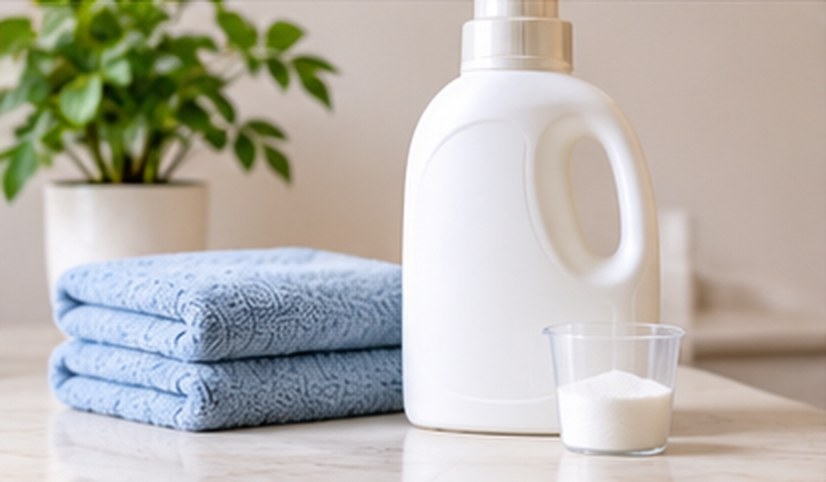
Measure the detergent, give the drum room and rinse thoroughly.
- Read the care label. It sets the maximum temperature, and whether bleach or tumble drying is safe.
- Strip the bed and shake gently. Remove pillowcases, fasten any zips or buttons and turn covers inside out to protect prints and embroidery.
- Don’t overload. Sheets need room to move. Wash a set in a drum that is no more than about two-thirds full, and wash bulky blankets on their own.
- Choose the right temperature. A warm to hot wash, where the label allows, helps remove oils and mites. Delicates and coloured items usually prefer cooler water.
- Measure detergent and skip softener. Too much detergent leaves residue. Softener can coat fibres, dulling linen and reducing breathability.
- Add an extra rinse. It removes detergent from thick or dense fabrics, which is useful for sensitive skin.
- Remove promptly. A damp load left in the drum invites mustiness, so move it straight to drying.
Fabric by Fabric: What Each Needs
Frequency is only half the story. Each fabric has its own limits on heat, agitation and detergent, and fine bedding is worth treating accordingly.
Cotton Percale & Sateen
The everyday classics. They tolerate frequent washing well, so weekly laundering suits them.
Weekly, warm to hot washLong-Staple & Egyptian Cotton
Fine fibres stay smooth through many washes when treated gently. Avoid overloading and harsh bleach.
Weekly, gentle detergentLinen
Softens with every wash and dries quickly. Wash on a moderate cycle and shake out to limit creasing.
Every one to two weeksBamboo, Lyocell & Tencel
Silky but weaker when wet. Use a gentle cycle in cooler water and never wring.
Weekly, cool and gentleMicrofibre
Durable but holds on to body oils and odours. Use a warm wash and skip fabric softener.
Weekly, warm washSilk Pillowcases & Sheets
Heat, harsh detergent and friction dull the sheen and weaken the fibre. Follow the label closely.
Professional care advisedWool & Cashmere Blankets
Hot water and agitation felt the fibre. Air regularly and leave full cleaning to experts.
Professional onlyDuvets, Down & Quilted Pieces
Bulky fills need space and thorough drying to avoid damp clumps and odour.
Seasonal, often professionalDrying and Storing Bedding
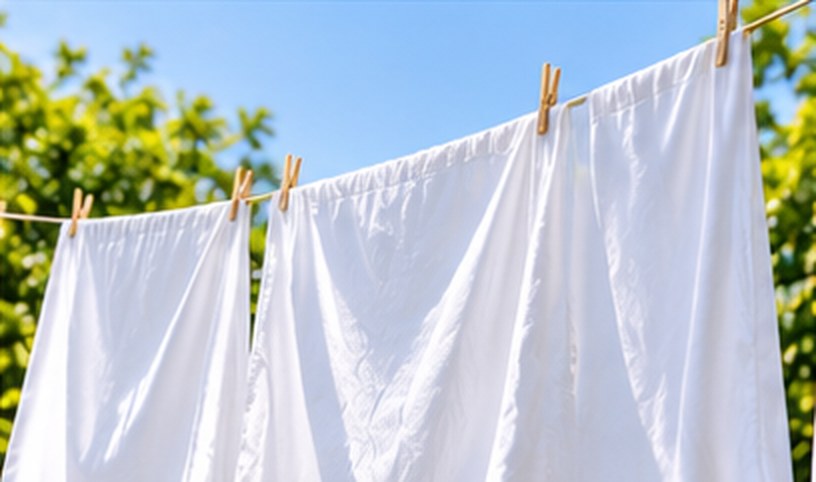
Air and sunlight keep whites bright, as long as the sheets are fully dry before they return to the bed.
- Dry completely. Damp bedding quickly turns musty in a humid climate. Check hems, corners and seams, which dry last.
- Use sunshine wisely. Sun helps freshen whites and sturdy cotton, but it fades colours and weakens silk, so dry those in bright shade.
- Go indoors in haze or rain. Use a rack in a ventilated room, or a dehumidifier, rather than hanging bedding in a closed bedroom.
- Tumble dry low if the label allows. High heat shrinks cotton and damages elastic on fitted sheets.
- Store linen dry and breathable. Keep spare sets in a ventilated cupboard or drawer, not in plastic. Our guide to removing mould stains and preventing them from returning explains how to keep linen cupboards fresh.
If a set smells musty even after washing, it was probably stored or dried slightly damp. Our guide to why clothes smell musty after washing explains how to reset it, and our comparison of air drying versus tumble drying helps you choose the right method.
Frequently Asked Questions
Is it bad to wash bedsheets only once a month?
For most people in Singapore, it is too long. Warmth, humidity and sweat build up quickly, and a month of residue and dust is more than most sheets should carry. Weekly is a sensible baseline.
How often should I wash my pillowcase?
At least once a week, and every two to three days if you have oily skin, are prone to breakouts, use hair oils or products overnight, or sleep without air-conditioning.
How often should I wash a duvet or comforter?
The duvet cover goes in with your sheets. The duvet itself usually needs cleaning only a few times a year, following the care label, or when it picks up a stain or odour.
What temperature kills dust mites on bedding?
A hot wash of around 55 to 60°C is widely recommended for dust mites, provided the care label allows it. If the fabric cannot take heat, a gentler wash with a thorough dry still removes much of the build-up.
Should I wash new sheets before using them?
Yes. A first wash removes finishing agents and packaging dust, and helps you learn how the fabric behaves before it touches your skin.
How often should I wash a decorative throw?
If it sits on the bed or sofa for show, every month or two is usually enough. If it is used nightly or on the sofa, wash it every two to four weeks.
Can I air bedding instead of washing it?
Airing between washes helps freshen a duvet or blanket and release moisture, but it does not remove sweat, oils or mites. It is a supplement to washing, not a replacement.
The Verdict

A well-kept bed is a quiet luxury: fresh, calm and ready for sleep.
A simple rhythm covers almost every home: sheets and pillowcases weekly, duvet covers every one to two weeks, blankets and throws every two to four weeks, and pillows and duvets a few times a year. Wash more often when you are ill, sweating, prone to breakouts or sharing the bed with a pet, and always dry completely before the linen returns to the bed.
Piing picks up, cleans and finishes every piece of bedding exactly the way its fabric demands, then delivers it back, ready to make up. Pickup & delivery across Singapore
Let Piing! handle the laundry and dry cleaning. Book a pickup and get your clothes collected, cleaned and delivered across Singapore — no store visits, no hassle.
Book a Pickup →