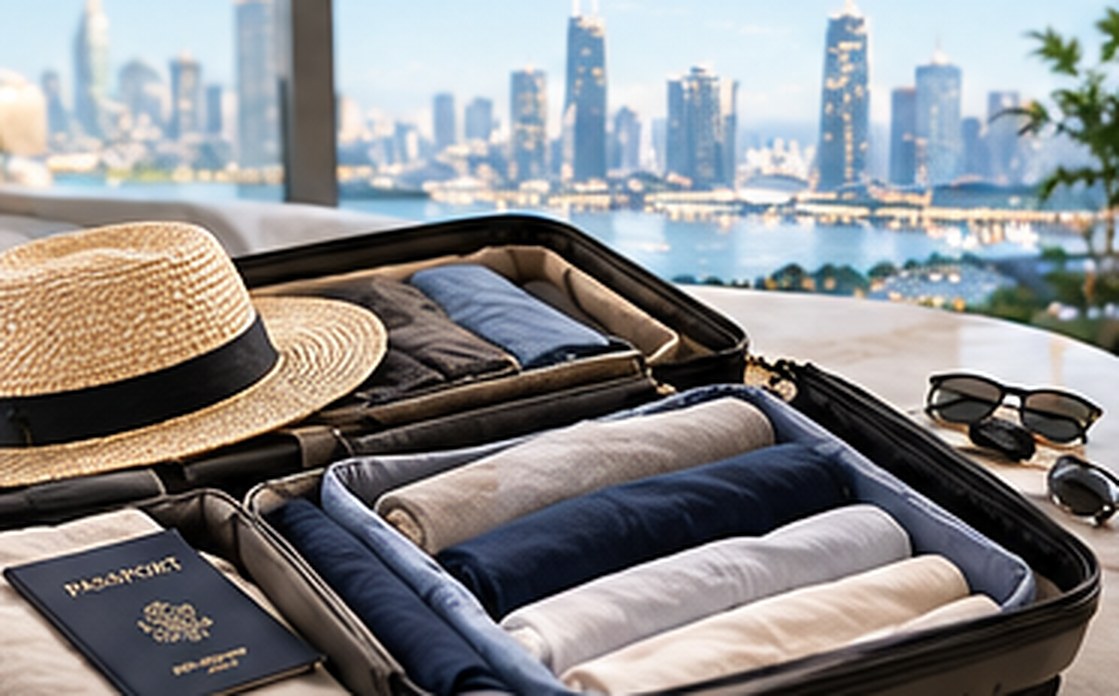
There is a particular moment of dread when you unzip a suitcase in a hotel room: the careful packing, the folded shirts, the carefully chosen outfits, and then the creased reality. A linen shirt that looked effortless at home now resembles a map of the journey, and the important dinner is in two hours.
The reassuring part is that wrinkles are largely predictable. They depend on the fabric you choose, the way you fold, how tightly you pack and what you do the moment you arrive. And the trip does not end at the airport: how you unpack at home determines whether your wardrobe comes back fresh or musty. This guide covers both halves, from packing to the first 24 hours after you return.
Why Clothes Wrinkle
Fibres such as cotton, linen and viscose are held in shape by bonds that shift when fabric is damp, warm or under pressure. In a suitcase, all three conditions meet: weight pressing down, movement in transit and sometimes humidity, particularly in a tropical climate. As the fabric settles, the fibres lock into whichever position they were pressed into, and that position is a crease.
The key insight is that sharp folds create sharp creases, and soft curves create soft ones. Wrinkle-free packing is really crease management: choose fabrics that resist, avoid hard fold lines, and minimise pressure and moisture.
Pack the Right Fabrics
The easiest way to beat wrinkles is to choose fabrics that are less prone to them. Use this table as your starting point.
| Fabric | Wrinkle behaviour | Best way to pack | Avoid |
|---|---|---|---|
| Cotton poplin shirts | Creases easily at fold lines | Fold flat with tissue, collar supported | Heavy items on top |
| Linen | Wrinkles instantly, but wears them well | Roll loosely | Expecting a crisp finish |
| Silk & satin | Soft creases; can water-mark | Flat with tissue, or a garment bag | Sprays and direct heat |
| Wool suiting | Naturally resilient; recovers when hung | Garment bag, or fold at the seams | Tight rolls |
| Knits & jersey | Resists creasing | Roll or fold | Hanging for long periods |
| Polyester & performance | Very resistant | Roll | A hot iron, which can melt it |
Before You Pack: Clean, Dry and Planned
- Pack only clean clothes. Residual oils and stains set under pressure and warmth, and they can be harder to treat after a trip.
- Make sure everything is completely dry. Anything slightly damp invites creases and mustiness in a closed suitcase.
- Press or steam key pieces at home. Let them cool and dry before folding.
- Plan outfits, not items. Choose pieces that combine in several ways. Fewer items mean less pressure, and less pressure means fewer creases.
- Prepare each garment. Button shirts, close zips and empty pockets so nothing stretches or digs in.
Roll, Fold or Hang?
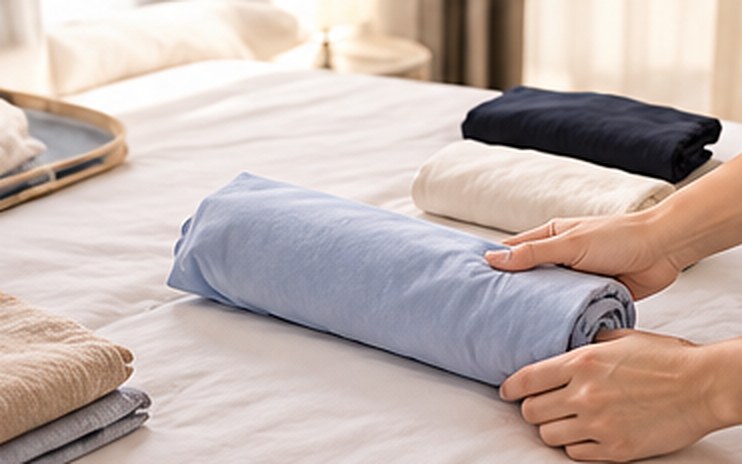
Soft rolls make soft curves, not hard creases.
There is no single best method. The right choice depends on the fabric:
- Roll casual cotton, jersey, knitwear, linen and performance fabrics. Rolling replaces a sharp fold line with a gentle curve.
- Fold flat structured shirts, trousers and silk, placing tissue between layers so the fabric glides rather than catches.
- Hang or use a garment bag for tailored jackets, suits and eveningwear. See the dedicated section below.
To roll well: lay the garment flat and smooth it, fold the sleeves in, then roll firmly from the hem, keeping it snug but not compressed. For flat folds, fold at natural seams rather than across the body of the fabric, and always avoid folding two garments along the same line.
Suitcase Layout and Packing Cubes
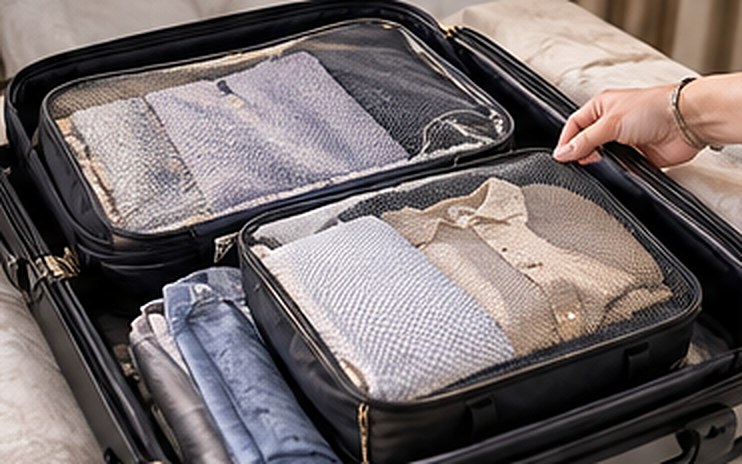
Packing cubes keep each outfit contained, as long as they are not overfilled.
- Heavy items go at the bottom, near the wheels. Shoes in bags and sealed toiletries sit low so they do not press on clothes.
- Lay flat items next. Folded trousers and shirts form a smooth base.
- Add packing cubes for soft pieces. Cubes keep categories organised and help avoid shifting in transit.
- Fill gaps with soft items. Socks and rolled knits stop contents sliding without adding pressure.
- Leave a little room. An overstuffed suitcase or cube creates creases faster than any other mistake.
- Keep dirty laundry separate. A dedicated laundry bag protects clean clothes from odours and stains.
Tailoring, Eveningwear and Garment Bags
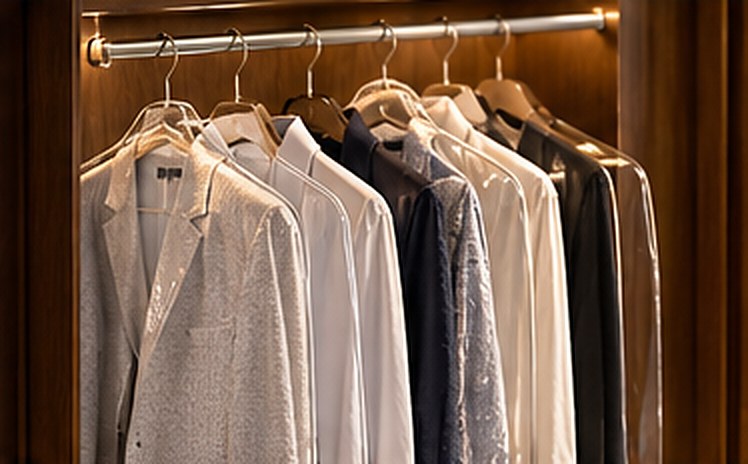
Tailoring travels best when it keeps its shape: hanging, covered and uncrushed.
Structured pieces are the hardest to pack because their shape matters as much as their surface. A few principles keep them looking immaculate:
- Use a garment bag whenever you can. It lets a jacket or dress keep its natural drape with no fold lines.
- If you must fold a jacket, turn it partly inside out with the shoulders tucked together, and fold it once with tissue in the hollow.
- Fold trousers along their crease, with tissue between layers.
- Carry the most important piece with you. For a long journey or a critical event, taking the suit or gown on board is the safest option.
- Leave beaded or embellished eveningwear to experts. Friction and pressure damage trims, and professional packing and pressing are worth the investment.
Rescue on Arrival: Unpack, Hang and Steam
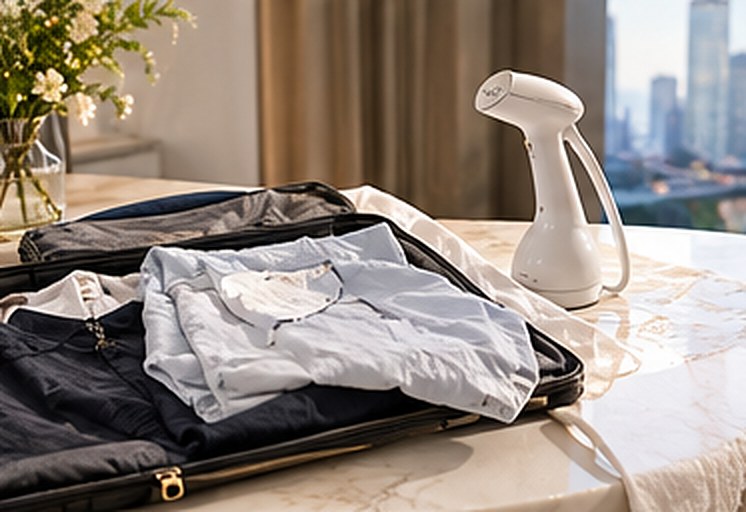
A handheld steamer relaxes creases in minutes without the risk of a hot iron.
The first hour in the room decides how the rest of the trip looks. Unpack as soon as you arrive so the fibres can relax, and use one of these methods:
- Hang in a steamy bathroom. Run a hot shower, close the door and hang the garments for ten to fifteen minutes. The humidity relaxes light creases.
- Use a handheld steamer. Hold it a few centimetres from the fabric and move it slowly. Let each garment cool and dry before wearing it.
- Use the hotel iron carefully. Always test a hidden area, use a pressing cloth for delicate fabrics and never iron over embellishment.
- Smooth with your hands. Gently pulling the fabric flat as it hangs helps light creases fall out.
Mid-Trip Refresh: Wash and Dry on the Road
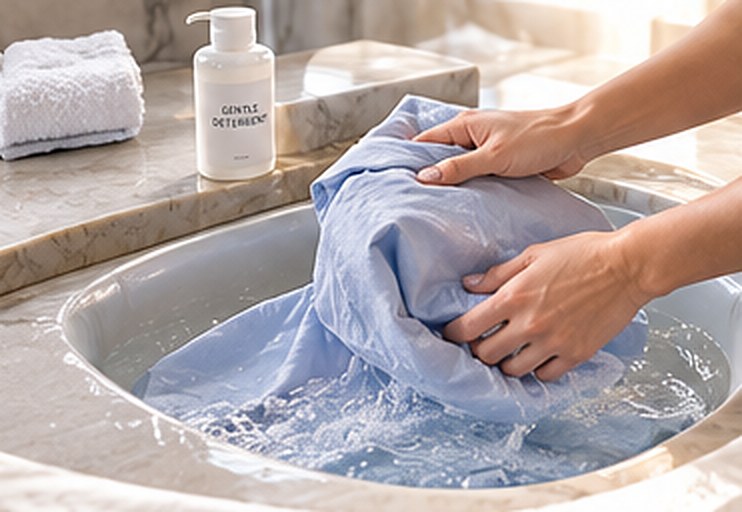
A gentle hand wash refreshes a favourite shirt in minutes.
On a longer trip, a quick hand wash is the simplest way to refresh a wardrobe. Carry a small bottle or sachets of gentle detergent and follow these steps:
- Fill a clean basin with cool water and add a little detergent.
- Submerge and press gently. Do not scrub or wring.
- Rinse until the water is clear.
- Roll in a towel to remove excess water, pressing rather than twisting.
- Hang to dry in a ventilated space, and pack only when completely dry.
Back Home: The First 24 Hours

Unworn pieces rest on hangers while worn ones go straight to the wash.
Many wardrobes are damaged not on the trip but afterwards, when a closed suitcase sits unpacked for days. In a humid climate, moisture and odours settle quickly. Use this simple sequence:
- Unpack the same day. A closed suitcase traps moisture and odour. Open it, and open the cubes too.
- Separate into three piles: worn items to wash, unworn items to air and steam, and anything delicate or tailored that needs professional care.
- Treat stains first. Airline meals, hotel makeup transfers and sun lotion marks set quickly. Our guide to removing common clothing stains covers the first moves.
- Wash worn items as the label directs. Do not let a damp load wait in the basket.
- Air and steam what was not worn. Hang it for a few hours, then steam out any remaining creases.
- Let tailoring rest. Hang jackets and suits on shaped hangers, remove any dry-cleaning plastic and give them time to recover.
- Dry and store the luggage. Wipe the suitcase and cubes, leave them open until completely dry and store them with a little air inside.
If anything comes out of the case smelling musty, our guide to why clothes smell musty after washing explains how to reset it.
Fabric by Fabric: What Travels Well
Every fabric has its own limit. Here is how to handle the most common ones on the road and when you return.
Linen
It will wrinkle, so embrace it. Roll loosely, steam lightly on arrival and wash on return as the label directs.
Roll, steam, enjoyCotton Poplin Shirts
Fold flat with tissue and keep them on top of the case. Steam out light creases and wash on return.
Fold flat, steamDenim & Chinos
Sturdy and forgiving. Roll to save space, and air them out rather than washing after every wear.
Roll, air outKnitwear & Jersey
Naturally crease-resistant. Fold or roll gently, and avoid hanging, which can stretch the shoulders.
Fold, do not hangPerformance & Polyester
Very resistant to wrinkles but prone to holding odour. Roll it, and wash promptly after wear.
Roll, wash promptlyWool Suiting
Resilient, but it needs its shape. Use a garment bag, hang it to rest and avoid water or hot irons.
Garment bag, hang to restSilk & Satin
Prone to creases and water marks. Pack flat with tissue or in a garment bag, and leave pressing to a professional.
Professional pressingEmbellished Eveningwear
Beads, sequins and delicate trims are damaged by pressure and heat. Pack in a garment bag and have it professionally cleaned.
Professional onlySeven Mistakes That Put Creases in Your Clothes
- Overpacking. Pressure is the biggest cause of creasing. Packing less is the best wrinkle remedy.
- Packing anything damp. Moisture creates creases and mustiness in a closed case.
- Folding every garment along the same line. Stacked folds create deep, hard creases.
- Putting heavy items on top of clothes. Shoes and toiletries belong at the base of the case.
- Leaving clothes in the suitcase on arrival. The longer they stay, the more the creases settle.
- Ironing delicate fabrics directly. Heat can scorch, shine or water-mark silk and fine synthetics.
- Mixing worn and clean items. Odours and marks transfer in a closed case. Keep laundry separate.
Frequently Asked Questions
Is rolling really better than folding?
For casual fabrics such as cotton, jersey and knits, yes: rolling replaces a sharp fold line with a gentle curve. For structured shirts, silk and tailoring, flat folding with tissue or a garment bag is better.
Do packing cubes prevent wrinkles?
They help with organisation and stop clothes shifting, but they do not prevent wrinkles on their own. An overstuffed or compressed cube can create more creases, so leave a little room.
Should I iron clothes before packing?
It helps to press or steam key pieces at home, provided they are cool and completely dry before you fold them. It gives you a smoother starting point, though it will not make clothes crease-proof.
Do wrinkle-release sprays work?
They can help with light creases on sturdy fabrics. Always test a hidden area first, and avoid them on silk and other delicates. They are a supplement to steaming, not a replacement.
Can I steam silk?
Sometimes, but water can leave marks, and not every silk tolerates steam. Check the care label, test a hidden area, and for important pieces rely on professional pressing.
Should I wash everything when I get home?
Wash everything you wore. Unworn pieces can usually be aired and steamed instead. If anything smells damp or musty after the journey, wash it rather than hoping it will freshen on its own.
The Verdict
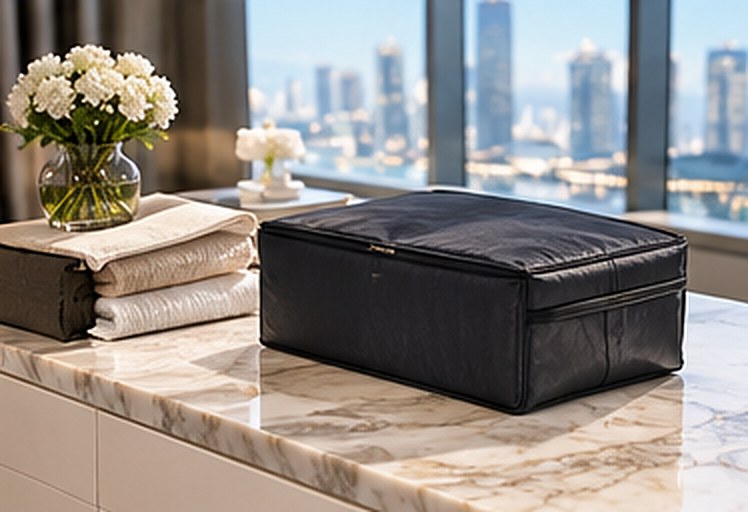
Pack with care, unpack with intent, and your wardrobe will come home as good as it left.
Wrinkle-free travel is a matter of method rather than luck: choose the right fabrics, pack them clean and dry, roll or fold with care, keep tailoring in a garment bag, unpack immediately and steam gently. Then give the journey its proper ending: unpack the same day, wash what was worn, air the rest and let the luggage dry. And for the silks, the tailoring and the pieces you cannot replace, let someone with the right tools take over.
Piing picks up, cleans and finishes every garment exactly the way its fabric demands, then delivers it back, ready to wear. Pickup & delivery across Singapore
Let Piing! handle the laundry and dry cleaning. Book a pickup and get your clothes collected, cleaned and delivered across Singapore — no store visits, no hassle.
Book a Pickup →