
A premium wardrobe deserves more than beautiful hangers and a perfectly designed closet. In Singapore, humidity is part of the storage equation. A garment can be freshly cleaned and still develop a stale smell if it is returned to a crowded, poorly ventilated wardrobe before it is completely dry.
Piing's garment-care guidance puts Singapore's relative humidity around 70–90% year-round, making moisture control one of the most important parts of long-term clothing storage.
Why Singapore's humidity changes garment storage
In a drier climate, a closed wardrobe may simply be a storage space. In Singapore, it can become a micro-environment: warm, still and humid. Natural fibres such as wool, cashmere, silk and linen can retain moisture, while tight packing restricts airflow around them.
The result is not always visible mould first. Often the warning sign is that unmistakable musty odour — especially around seams, waistbands, linings and thicker areas that dry more slowly.
Before anything goes into the wardrobe
1. Never store a garment that is only “almost dry”
Touch can be misleading. Thick seams, cuffs, waistbands, padded shoulders and lined areas can retain moisture after the surface feels dry. Give garments a full period of open-air drying before long-term storage.
For premium pieces: allow extra time after washing, steaming or professional cleaning. Let the garment cool and fully air before closing the wardrobe door.
2. Clean before long-term storage
Body oils, perspiration, food particles and invisible residue give odour and fabric deterioration a head start. If a piece is going away for months, clean it according to its care label rather than simply spraying it with fragrance.
3. Let recently worn pieces breathe
For tailored jackets, evening dresses and other outer layers, create a small “air-out zone” outside the main wardrobe. Give garments time to release warmth and moisture before returning them to enclosed storage.

Create a controlled wardrobe environment
The most effective storage upgrade is not a scented sachet. It is humidity management plus airflow. Piing's seasonal-storage guidance recommends targeting approximately 45–55% relative humidity for a controlled storage environment.
| Storage element | Premium approach | Why it matters |
|---|---|---|
| Humidity | Use a dehumidifier; aim for stable 45–55% RH where practical | Reduces moisture available to support mildew and stale odour |
| Airflow | Leave breathing room between garments and shelves | Prevents stagnant pockets of humid air |
| Hangers | Broad, padded or contoured hangers for structured pieces | Protects shoulder shape and distributes weight |
| Storage bags | Breathable cotton or purpose-made garment covers | Protects from dust without trapping condensation |
| Moisture absorbers | Reusable silica gel in drawers and boxes | Provides local moisture control |
| Location | Cool, dark, dry area away from damp zones | Reduces heat, light exposure and condensation risk |
Use a dehumidifier strategically
A wardrobe does not need to become an industrial climate vault. For most homes, a well-sized dehumidifier in the room, sensible air-conditioning and good wardrobe airflow are a practical combination. For high-value collections, a hygrometer gives you something more useful than guesswork: a humidity reading.
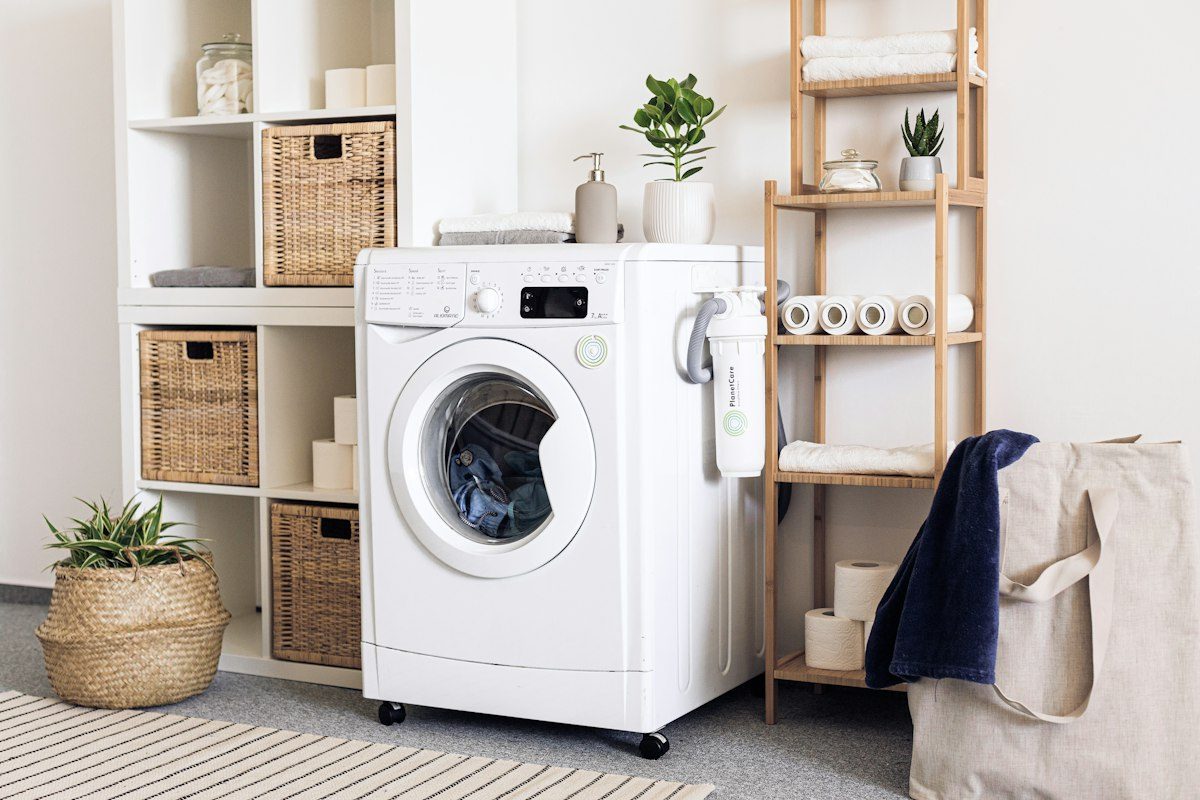
Give clothes space to breathe
Do not pack a luxury wardrobe to the last centimetre. Leave visible gaps between hanging pieces, avoid crushing folded knitwear into deep stacks, and leave clearance between storage boxes and walls.
Store each fabric differently
The right storage method depends on the structure of the garment. A cashmere knit should not be treated like a tailored blazer, and a silk dress should not be stored like denim.

| Garment | Best storage method | Avoid |
|---|---|---|
| Cashmere & fine wool | Fold flat with acid-free tissue; breathable cotton storage | Long-term hanging, vacuum sealing, compressed piles |
| Wool coats & tailoring | Broad padded/contoured hanger + breathable cover | Wire hangers and tight plastic covers |
| Silk & satin | Roll or fold loosely with tissue; store away from light | Hard creases, direct sunlight and damp enclosed storage |
| Linen | Fold loosely with room between layers | Overpacking and repeated sharp creases |
| Beaded / embellished | Flat, supported storage with tissue | Hanging heavy embellishment for months |
| Leather & suede | Shape with tissue and use a breathable cover | Airtight plastic, heat and damp cupboards |
| Denim & heavy cotton | Fully dry, folded flat, protected from strong light | Storing while even slightly damp |
Luxury wardrobe mistakes to avoid
- Putting clothes away straight from the dryer or steamer. Let them cool and finish drying first.
- Overcrowding. More clothes in the same rail means less air around each piece.
- Leaving dry-cleaner wire hangers on investment tailoring. Broad support is better for long-term storage.
- Keeping storage boxes against an exterior wall. Moisture and condensation risk are higher around cooler surfaces.
- Vacuum-sealing cashmere and wool for long periods. Compression and trapped moisture are poor partners for fine fibres.
- Checking the wardrobe only when something smells. A monthly visual and humidity check catches problems earlier.
The 10-minute monthly routine
You do not need to empty a walk-in wardrobe every month. A short maintenance ritual is enough to keep small problems from becoming expensive ones.
- Check the hygrometer or room humidity reading.
- Open drawers and storage boxes briefly to exchange stale air.
- Inspect dark corners, shelf edges and the back of the wardrobe for spotting or condensation.
- Check the thickest parts of rarely worn garments for a musty smell.
- Rotate folded knits so the same crease is not used indefinitely.
- Refresh reusable silica gel according to its product instructions.
- Remove anything that has become damp instead of closing the wardrobe around it.
When professional care makes sense
Some garments are simply too valuable, delicate or structured to treat as ordinary laundry. Piing's current service guidance says its dry-cleaning service is designed for finer garments including delicate silks and structured suits, with inspection, treatment and hand-finishing.
For expensive garments, professional care is especially useful before long-term storage or after stains, perspiration or odour have penetrated into the lining. Piing also offers garment tracking and professional pressing/packaging as part of its premium-care workflow.
Frequently asked questions
What humidity should I aim for when storing premium clothes?
Piing's seasonal-storage guide recommends approximately 45–55% relative humidity for controlled garment storage. The priority is a stable, dry environment.
Should I use silica gel in my wardrobe?
Yes, especially inside drawers and storage boxes. Use reusable silica gel and refresh it according to the manufacturer's instructions. It is a supplement to room-level humidity control.
Can I store premium clothes in plastic garment bags?
For long-term storage, breathable garment covers are generally preferable because they reduce the risk of trapping moisture. Short-term protective packaging is different from sealed long-term storage.
How often should I inspect stored clothes?
For pieces stored for months, inspect them periodically rather than leaving the box untouched for an entire season. A halfway-point inspection is a useful minimum for seasonal storage.
What is the fastest way to stop a musty wardrobe smell?
Find and remove the moisture source first. Air the wardrobe, dry affected garments completely, improve airflow and use humidity control. If a garment has persistent odour or visible contamination, professional cleaning is safer than masking it with fragrance.
Let Piing! handle the laundry and dry cleaning. Book a pickup and get your clothes collected, cleaned and delivered across Singapore — no store visits, no hassle.
Book a Pickup →