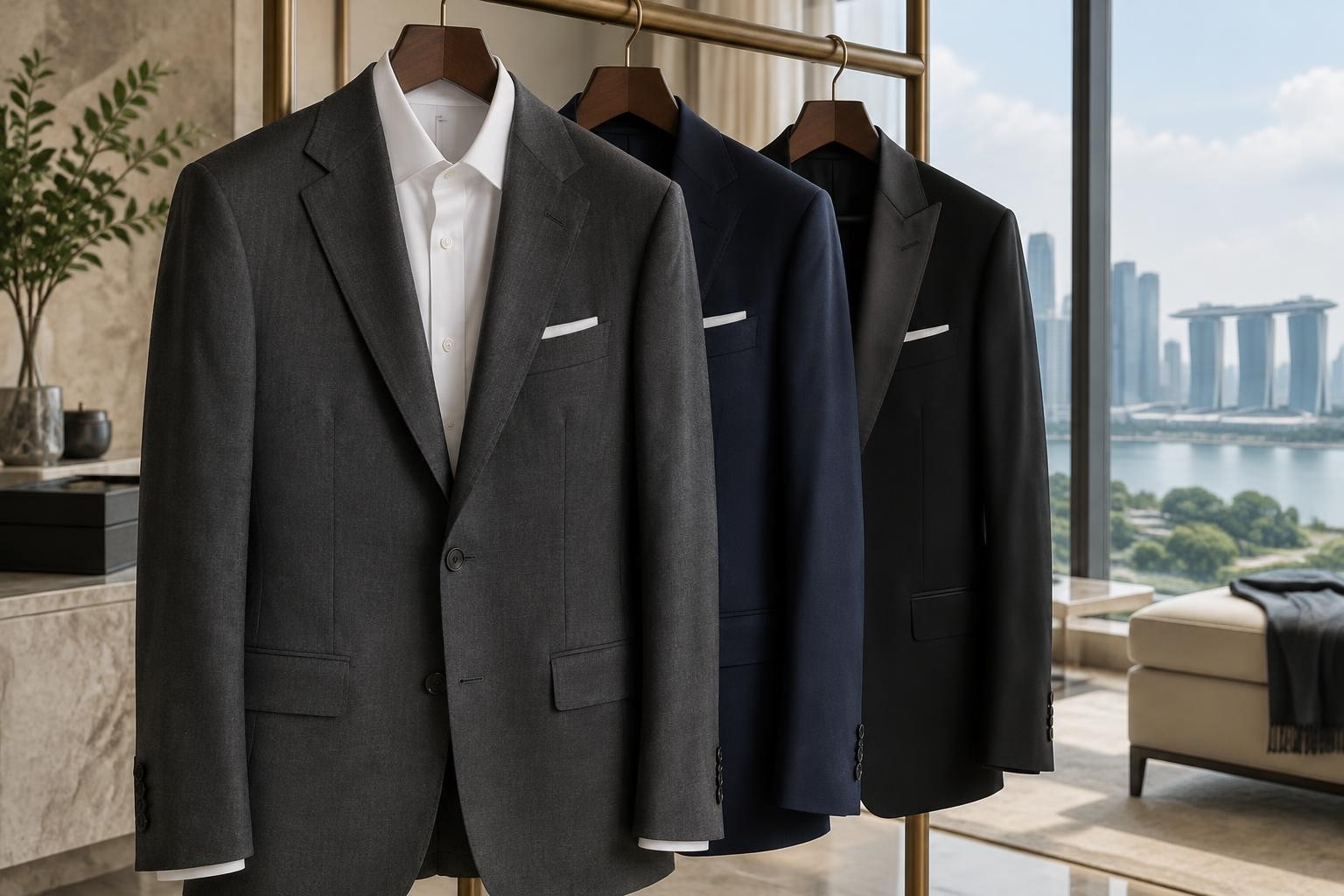
A beautifully cut suit speaks before you do. The clean shoulder line, the natural roll of a lapel, the quiet drape of fine wool: these details create a sense of composure that no accessory can replace. Yet keeping them intact requires more than an occasional trip to the cleaner.
In Singapore, a wardrobe moves between air-conditioned offices, humid outdoor journeys and evening occasions. Perspiration, moisture and everyday handling all leave their mark. For suits, blazers and formal wear, premium garment care means protecting fabric, construction and finish together—so the piece you reach for next month feels as considered as it did on its first outing.
Premium Care Goes Beyond a Clean Garment
A tailored jacket is not a single layer of cloth. Its outer fabric works with lining, interlining, shoulder support and sometimes a canvas structure. Each element can respond differently to moisture, heat and agitation. A treatment that suits an unstructured cotton shirt may be unsuitable for a wool blazer with bonded interlining.
The aim is not simply to remove visible marks. It is to maintain colour, surface texture and the balance of the garment. Overly aggressive pressing can flatten a lapel or create shine; unsuitable washing can distort the relationship between the outer cloth and its lining. The care label is the starting point, while construction determines the finer decisions.
Protect the Silhouette, Not Just the Fabric
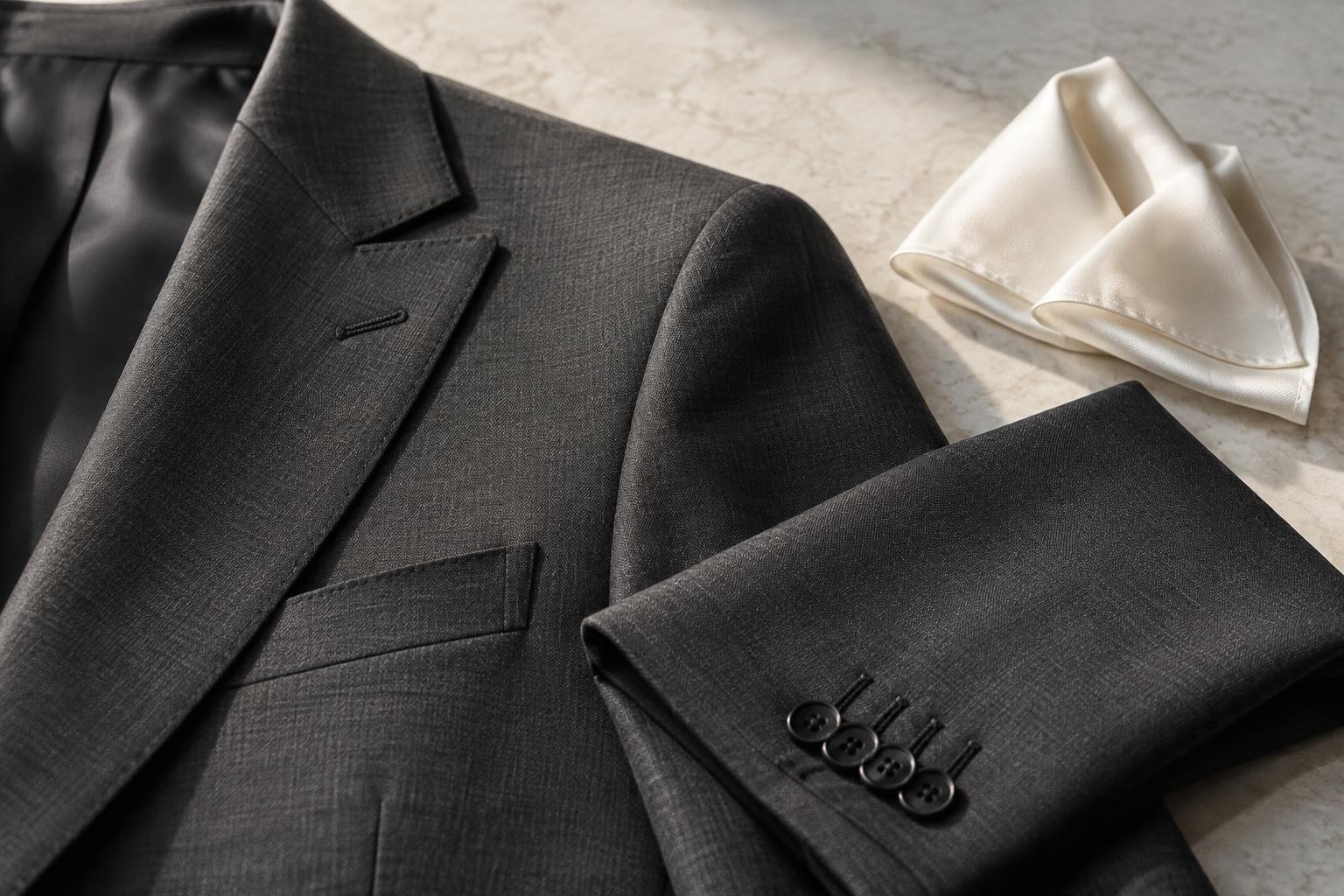
A natural lapel roll and an unmarked fabric surface are part of the garment’s finish.
Good tailoring holds its shape without looking rigid. Preserve that balance with a broad, shaped hanger that supports the jacket’s shoulders rather than leaving pressure points. Empty pockets after wear: keys, a phone or a wallet can pull at pocket openings and interrupt the line of the cloth.
Trousers need equal attention. Use a suitable trouser hanger without sharp clips that mark delicate fabric. Keep the intended crease aligned, and avoid folding a jacket tightly for extended periods. Never assume that a hot iron or a quick blast of steam will restore a misshapen garment.
A Fabric-by-Fabric Guide to Fine Formal Wear
The fibre content tells only part of the story. The weave, dye, lining and embellishments also influence how a garment should be cleaned. Even two wool suits may need different handling.
Fine Wool & Wool Blends
Air between wears and use a soft garment brush gently on suitable smooth fabrics. Follow the label for cleaning; do not machine-wash a structured suit simply because wool is a natural fibre.
Protect the shapeCashmere & Soft Blazers
Keep friction and heavy pocket loads to a minimum. Delicate surfaces may not tolerate vigorous brushing. Construction matters as much as softness when choosing a cleaning method.
Handle gentlyLinen & Cotton Tailoring
A relaxed crease is part of linen’s character. A lined or structured linen jacket may still require dry cleaning, even when an unstructured piece in the same fibre is washable.
Read the full labelSilk, Satin & Evening Wear
Satin describes a weave, not a fibre. Silk and other satin fabrics can develop water marks or lose their finish with unsuitable treatment. Flag beading, metallic details and delicate trims before cleaning.
Assess fabric and trimsHow Often Should You Clean a Suit or Blazer?
There is no reliable “every three wears” rule for every wardrobe. A jacket worn briefly in a cool meeting room has different needs from one worn through a warm commute and a long reception. Use the garment’s condition as your guide.
| Garment condition | Recommended next step |
|---|---|
| Brief wear; no marks or lingering odour | Air in a shaded, ventilated space and inspect before storage. |
| Perspiration or odour remains after airing | Arrange label-appropriate professional cleaning. |
| Food, drink, oil or makeup mark | Seek prompt stain assessment; disclose what caused it. |
| Ready for seasonal or long-term storage | Inspect and clean if soiled; store only when fully dry. |
| Matching suit pieces need cleaning | Discuss cleaning the set together to help maintain a consistent appearance. |
Airing can freshen a garment, but it does not remove oils or ingrained soil. Equally, unnecessary cleaning adds handling to cloth that may not yet need it. The best rhythm is inspection after every wear, with cleaning when the condition calls for it.
The Singapore Factor: Humidity, Rain and Storage
Singapore’s humid climate makes the hours after wear particularly important. A jacket may look dry while moisture remains in its lining or underarm area. Returning it immediately to a crowded wardrobe can trap that moisture and encourage musty odours.
- Air with space around the garment. Choose a shaded, ventilated indoor area. Keep tailoring away from strong sunlight, which may fade dyes.
- Manage wardrobe moisture. If the cupboard feels damp, consider a dehumidifier appropriate to the space. A small humidity monitor can help you understand conditions rather than guess.
- Remove temporary plastic packaging before long-term storage. Use a clean, breathable garment cover once the piece is dry.
- Do not crowd the rail. Leave room for shoulder support and airflow; tightly packed jackets are more likely to crease.
Treat a Stain as Information, Not an Invitation to Scrub
At a formal dinner, a small spill can feel urgent. The calm response is usually the safest. Lift away loose solids without grinding them into the cloth. Gently blot liquid with a clean, absorbent cloth if appropriate; do not spread it by rubbing.
Avoid experimenting with household stain removers, perfume, hot water or a wet wipe on valuable tailoring. Even a seemingly mild product can affect colour, leave a ring or make later removal harder. For delicate silk or an unknown finish, minimise handling and request advice promptly.
When handing over the garment, explain what spilled, when it happened and anything already applied. Point out less obvious areas, including collar oils, makeup on lapels and perspiration around the lining. Some stains cannot be fully removed without risk to the fabric; a careful assessment should come before any promise.
A Five-Minute After-Wear Ritual
- Empty every pocket. Remove receipts, pens and heavy objects before hanging the garment.
- Inspect in good light. Check the collar, cuffs, lapels, underarms and trouser hems for marks or dampness.
- Remove surface debris gently. Use a suitable soft brush on appropriate fabrics; avoid aggressive adhesive rollers on delicate finishes.
- Support and air. Place the jacket on a shaped hanger in a ventilated space until fully dry.
- Rotate thoughtfully. Let a worn suit rest while you choose another. Return it to breathable storage only when it is ready.
This modest routine makes care part of dressing well, rather than a repair exercise when something goes wrong. It also helps you notice a loose button or a small seam issue before the next important occasion.
Preparing Formal Wear for an Important Occasion

Give occasion wear space, time and a final inspection before the evening arrives.
Black-tie dinners, weddings and milestone celebrations deserve a little planning. Bring formal wear out several days ahead, try it on and check the fit, fastening, lining and hem. A garment stored since the last event may have an unnoticed mark, a missing button or a crease that needs attention.
Allow time for cleaning, finishing and any necessary alteration rather than relying on a last-minute turnaround. Confirm the service timeline directly, particularly for delicate or embellished pieces. Keep perfume and hairspray away from the garment, and allow skincare to absorb before dressing.
After the occasion, do not seal evening wear away indefinitely. Inspect it promptly: pale fabrics may show perspiration later, and invisible food residues can become harder to address with time. A considered post-event clean, where needed, is part of preparing for the next invitation.
Professional Garment Care with Piing
For a wardrobe that balances demanding workdays with formal occasions, convenience should not come at the expense of considered care. Piing’s dry-cleaning service covers suits, delicate silks and structured garments, with pickup and delivery in Singapore.
Piing describes its dry-cleaning service as including experienced stain treatment, professional pressing and hand-finishing. Before collection, share the care label, point out stains and mention delicate trims or any previous treatment. This gives the team the information needed to assess the garment appropriately.
Check current garment categories, prices and available collection options on Piing’s pricing page or through Piing’s official website. For valuable, unusual or heavily embellished pieces, confirm suitability and expected timing before booking.
Frequently Asked Questions
Can I machine-wash a suit labelled “dry clean only”?
No. Follow the label rather than judging by the outer fibre alone. Water and agitation can affect the lining, interlining and structure even when the surface fabric appears washable.
Does steaming replace professional cleaning?
No. Where the label permits, careful steaming may help some creases, but it does not remove oils, dirt or stains. Excessive moisture or heat can also affect structured garments and delicate finishes.
Should the jacket and trousers be cleaned together?
Discuss cleaning matching pieces as a set, especially when both need attention. Different cleaning histories can contribute to differences in appearance over time.
What is the best way to store a blazer in Singapore?
Use a broad, shaped hanger in a clean, ventilated wardrobe. Store only when fully dry, leave space between garments and use a breathable cover for longer periods.
Can every stain be removed from formal wear?
No. The fabric, dye, stain type, age of the mark and previous treatments all matter. Prompt assessment helps, but safe removal is not always possible without affecting the garment.
How do I arrange garment care with Piing?
Visit piing.com.sg to review collection options, then confirm your garment’s service category, price and timing before booking.
The Final Word: Preserve What Makes It Exceptional
Fine formal wear is an investment in how you feel as much as how you look. Its value lies in the subtleties: a shoulder that sits naturally, a lapel that retains its roll, a fabric that catches the light without unwanted shine.
Follow the label. Respond to the garment’s condition. Give it space to breathe. Combine these everyday habits with appropriate professional care, and your suits, blazers and occasion wear will be better prepared for the moments that matter.
For convenient garment care in Singapore, explore Piing’s dry-cleaning service and make the next care decision as thoughtfully as the original purchase.
Let Piing! handle the laundry and dry cleaning. Book a pickup and get your clothes collected, cleaned and delivered across Singapore — no store visits, no hassle.
Book a Pickup →