
Quick question: when you get home after a long day, do you automatically throw the clothes you wore into the laundry basket?
If the answer is “yes”, you are not alone. In Singapore, where heat, humidity and a busy daily routine can make clothes feel less fresh by the end of the day, it is easy to assume that one wear = one wash.
But here is the part most of us miss: not every garment gets equally dirty. Underwear and gym clothes are very different from a lightly worn pair of jeans or a blazer you wore for a two-hour dinner. Washing everything after every wear can also mean more friction, more colour fading, more fabric stress — and a bigger laundry pile.
The 30-Second Answer
Think of your wardrobe in three simple groups:
| Usually wash after every wear | Usually okay to rewear | Wash less often / clean as needed |
|---|---|---|
| Underwear & socks | Jeans | Blazers & structured jackets |
| Gym / workout clothes | Cardigans & jumpers | Coats & outer layers |
| Sweaty T-shirts & tops | Lightly worn trousers | Occasion wear |
| Clothes with visible dirt or strong odour | Skirts worn over another layer | Delicate or specialist-care pieces |
This is a starting point, not a strict rule. If a garment is sweaty, stained, damp or smells noticeably, wash or clean it before wearing it again. If it was worn briefly over a clean base layer and is still fresh, it may not need another full wash.
What Really Needs Washing After Every Wear?
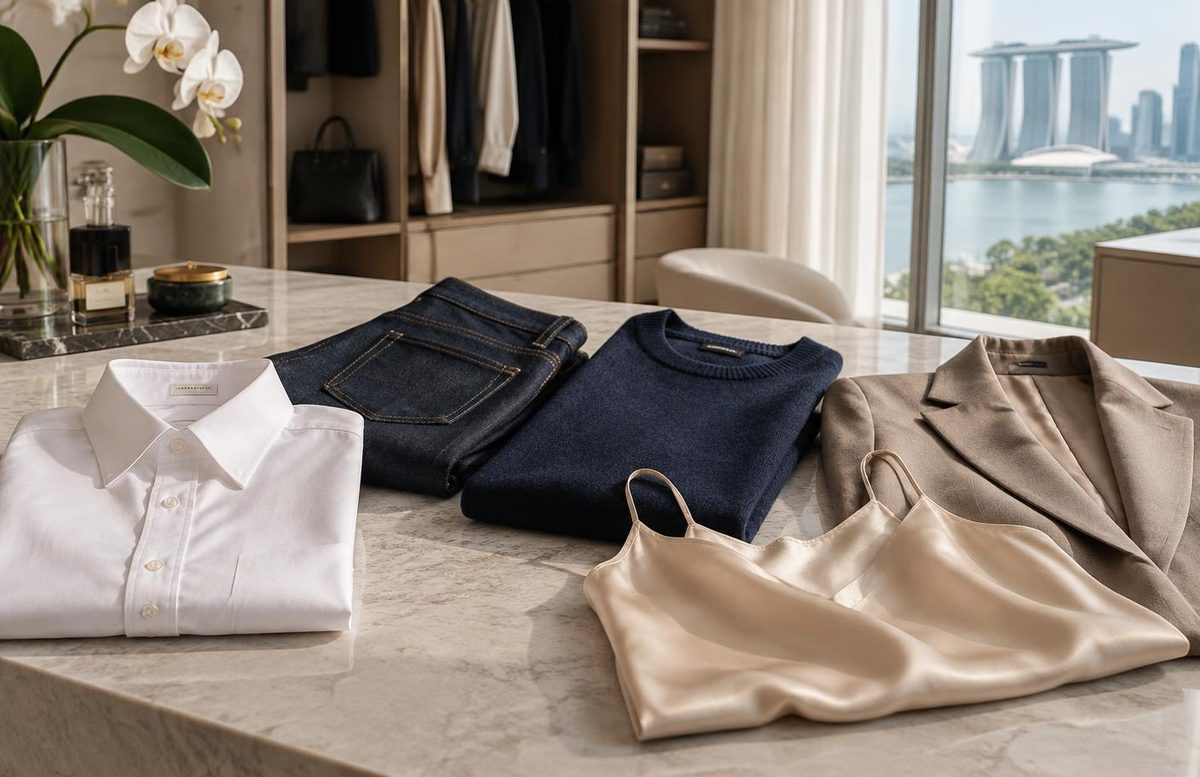
The more directly a garment meets sweat and body oils, the more often it usually needs washing.
1. Underwear and socks
These are the easiest category: wash after every wear. They sit close to the body and pick up sweat, skin oils and bacteria. There is little benefit in stretching their wear cycle.
2. Workout clothes
Activewear gets a lot of sweat and skin contact in a short period. Even if a top looks clean, odour-causing compounds can remain in technical fabrics. Wash gym clothes after each workout and do not leave them damp in a closed bag.
3. Sweaty T-shirts, shirts and tops
If your shirt spent the day against your skin in Singapore's heat, particularly after commuting or walking outdoors, it may need washing after one wear. The deciding factor is not the calendar — it is how much sweat, oil and odour the fabric picked up.
4. Anything visibly dirty or strongly scented
Food splashes, makeup, sunscreen marks, dust, spills and noticeable odour are all good reasons to clean a garment rather than simply hanging it back in the wardrobe.
What Can You Usually Rewear?
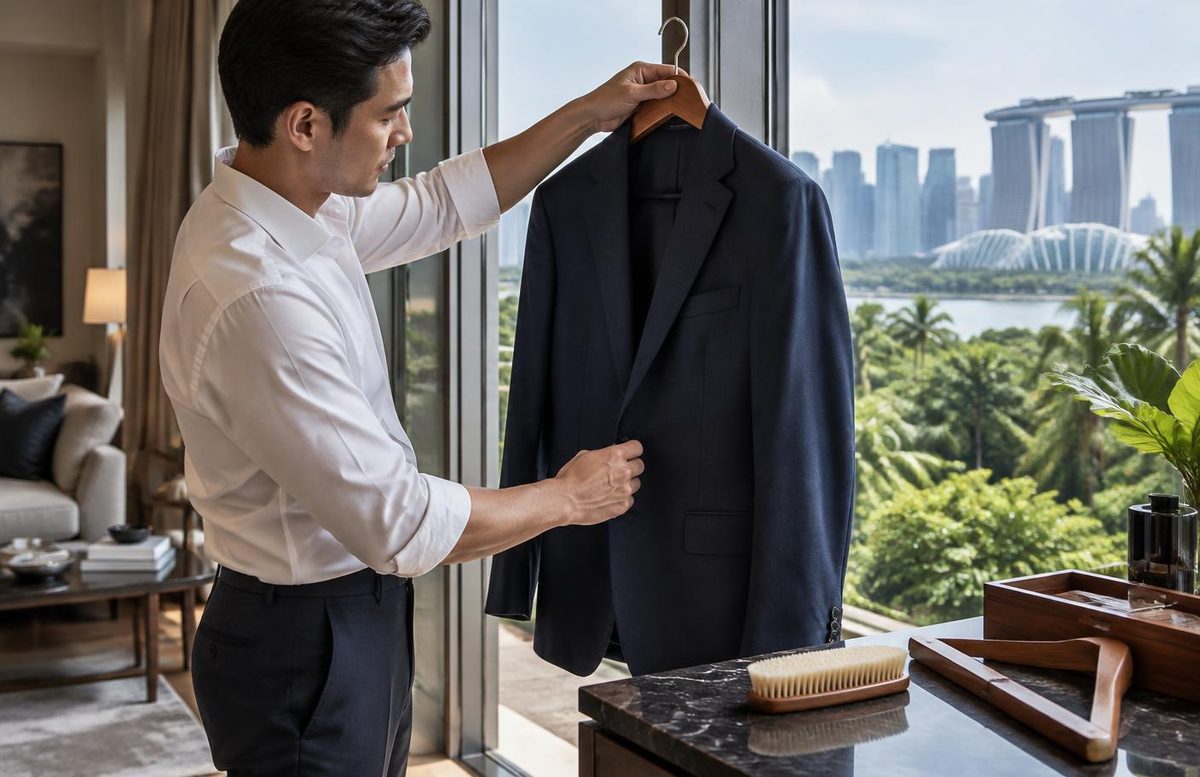
A quick check of the collar and lining is often all a lightly worn blazer needs before its next outing.
Jeans and denim
Jeans usually do not need to go into the wash after every wear. Repeated washing can contribute to fading and changes in shape. If your jeans are still clean and fresh, air them out between wears and wash them when they actually need it.
Blazers, jackets and outer layers
Because these pieces often sit over another garment, they generally collect less direct body contact than a T-shirt or inner layer. A lightly worn blazer can often be aired out and worn again, provided it is clean and odour-free.
Jumpers and cardigans
If you wore a jumper over a shirt or T-shirt for a short period and did not sweat heavily, it may be perfectly fine to rewear. Let it air out fully before putting it away.
Occasion wear
A dress or tailored outfit worn for a couple of hours at an air-conditioned dinner is not automatically “dirty”. Check for sweat, marks, makeup or food stains. Delicate or structured pieces should follow their care label rather than being thrown into a normal wash.
The Singapore Heat & Humidity Factor
Here is where the simple “wear it twice” advice needs a Singapore-specific reality check. Hot, humid weather can make clothes pick up sweat and odour faster. A top that could comfortably be reworn in a cool climate may feel completely different after a humid commute.
That does not mean every garment needs a wash every time you leave the house. Instead, consider:
- How long you wore it: two hours at dinner is different from a full day outside.
- How much you sweated: a humid commute can change the answer quickly.
- What was underneath: a clean inner layer can reduce direct contact with an outer garment.
- Where you wore it: an air-conditioned office is different from outdoor exercise.
- How it smells now: your nose is a surprisingly useful final check.
How to Freshen Clothes Between Washes
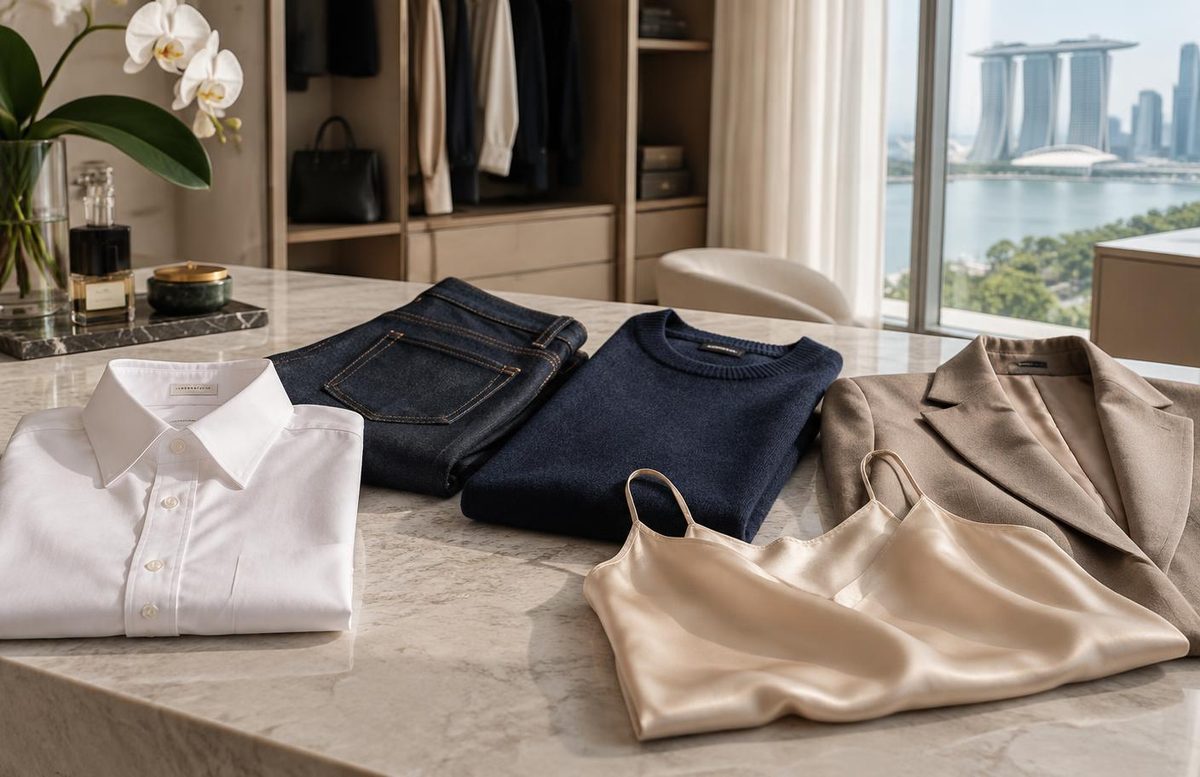
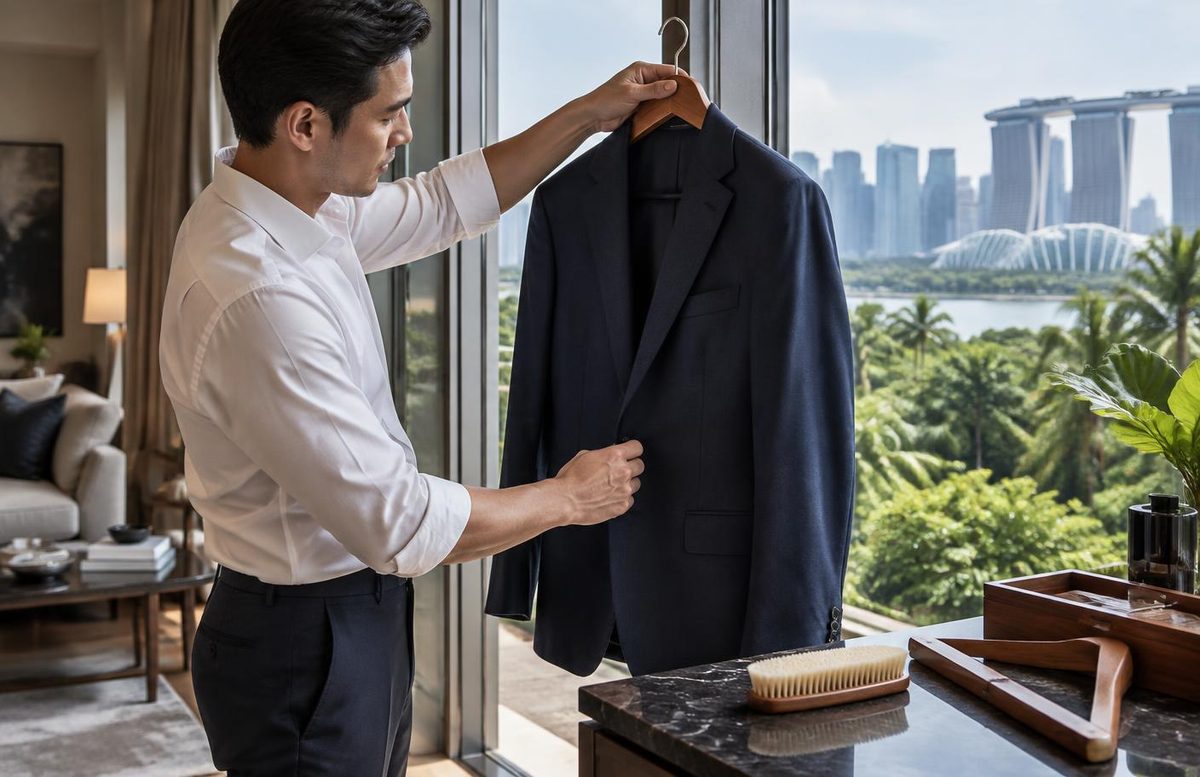
If a garment passes the clean-and-fresh test, do not immediately put it into a closed wardrobe. Give it a little care first:
- Air it out. Hang the garment somewhere with good airflow rather than leaving it in a pile.
- Let it dry completely. Never store a garment while it is still damp from sweat.
- Steam when appropriate. A garment steamer can help relax wrinkles and refresh lightly worn pieces, but always follow the care label.
- Spot clean small marks. A tiny stain does not always mean the whole garment needs a full wash — treat it promptly according to the fabric.
- Rotate your wardrobe. Giving garments recovery time between wears helps reduce the temptation to wash them simply because they are the first thing you see.
Your Easy Wash-or-Rewear Guide
| Garment | Typical approach | What to check |
|---|---|---|
| Underwear | Wash after every wear | Direct skin contact |
| Socks | Wash after every wear | Sweat and odour |
| Gym clothes | Wash after every workout | Sweat, dampness, odour |
| T-shirts | Often after every wear | Underarms, collar, sweat |
| Office shirts | Usually frequent washing | Skin contact and sweat |
| Jeans | Rewear when fresh | Stains, odour, fit |
| Trousers | Often several wears | Skin contact, stains, sweat |
| Blazers | Rewear when fresh | Odour, stains, lining |
| Jumpers | Rewear if lightly worn | Base layer, sweat, smell |
| Bras | Depends on wear and sweat | Body contact and activity |
| Dresses | Depends on wear | Sweat, stains, fabric label |
| Suits / tailored pieces | Clean according to care needs | Construction and care label |
Laundry Habits That Wear Clothes Out Faster
Washing less often can help reduce unnecessary wear, but the goal is not simply to avoid the washing machine. How you wash matters too.
- Washing everything on one “normal” cycle. Different fabrics need different treatment.
- Using too much detergent. More detergent does not automatically mean cleaner clothes and can leave residue.
- Using very hot water without checking the care label. Heat can contribute to shrinkage, colour changes and fabric stress.
- Overloading the machine. Clothes need room to move for proper cleaning and rinsing.
- Leaving wet laundry inside the machine. This can encourage unpleasant odours, especially in a humid climate.
- Ignoring laundry bags for delicate pieces. A mesh bag can reduce snagging and friction during washing.
- Washing delicate or structured pieces like ordinary T-shirts. Some garments need specialist care rather than a standard cycle.
Frequently Asked Questions
Is it bad to wear the same clothes twice?
Not necessarily. Many garments can be reworn if they are dry, clean, free of visible marks and do not smell. Items worn directly against the body or after heavy sweating are different.
Should I wash T-shirts after every wear?
Often yes, especially if the T-shirt was worn directly against your skin for a full day or you sweated in it. If it was worn briefly over a base layer and remains completely fresh, the decision can be different.
How many times can I wear jeans before washing them?
There is no universal number. Jeans can usually be worn multiple times when they remain fresh and clean. Wash them when they develop noticeable odour, stains or grime, and follow the garment's care instructions.
Can I wear a blazer more than once?
Yes, often. If it was worn briefly over a shirt or top and remains fresh, airing it between wears can be enough. Clean it when it has picked up odour or visible marks, and follow its care label.
What should I do with clothes that are not dirty but have been worn?
Hang them somewhere with airflow and let them dry fully before deciding whether to wear them again. Avoid putting worn clothing straight into a closed wardrobe if it is still warm or damp from your body.
Does Singapore's humidity mean I need to wash everything after one wear?
No. Humidity makes sweat and odour more relevant, but the garment, activity, duration of wear and how it feels now still matter. Use those factors together rather than following one blanket rule.
The Simple Rule to Remember

A smarter laundry routine keeps both your wardrobe and your time in better shape.
So, should you wash clothes after every wear? Some should. Many do not need to be.
Wash underwear, socks, gym gear and genuinely sweaty or dirty clothes regularly. Rewear jeans, lightly worn trousers, jumpers and outer layers when they are still fresh. For delicate, tailored or specialist garments, let the care label guide you.
And remember the Singapore rule: freshness beats a fixed number. If it is sweaty, damp, stained or smells, clean it. If it is dry, fresh and lightly worn, give it some airflow and consider wearing it again.
When you do need professional cleaning, Piing takes the laundry routine off your hands — with pickup, cleaning and delivery across Singapore. Pickup & delivery across Singapore
Let Piing! handle the laundry and dry cleaning. Book a pickup and get your clothes collected, cleaned and delivered across Singapore — no store visits, no hassle.
Book a Pickup →